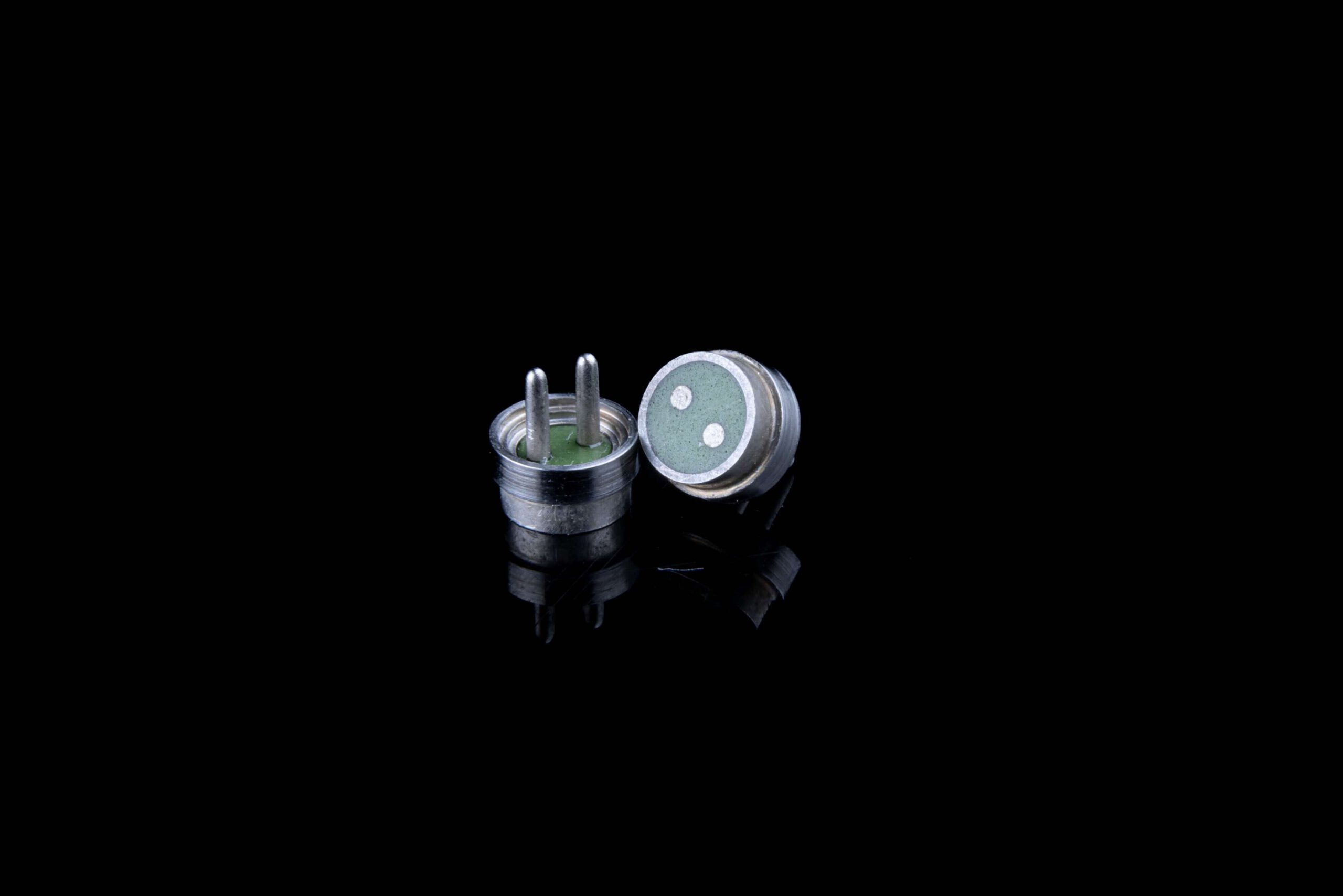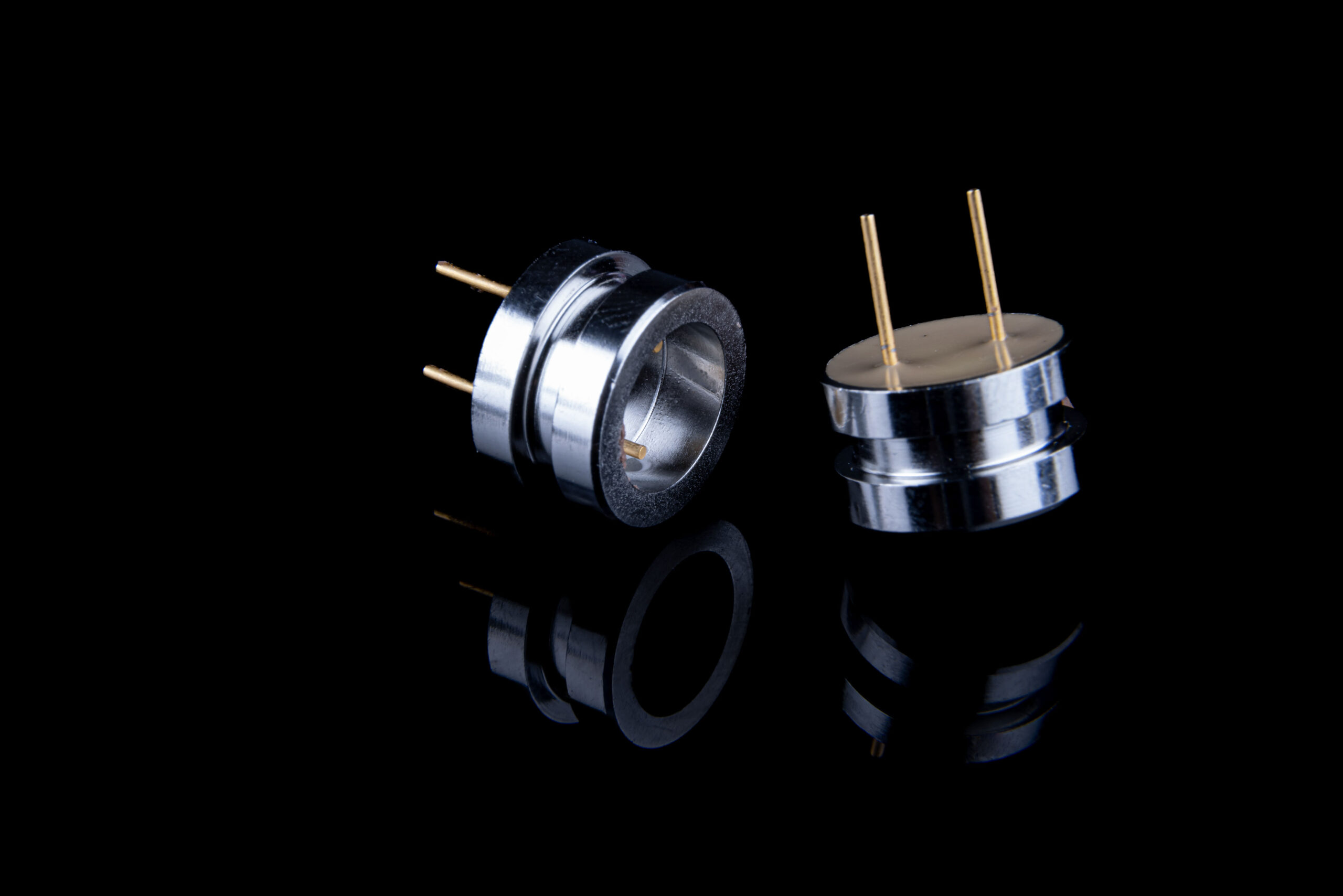
Hermetic Headers and System Reliability
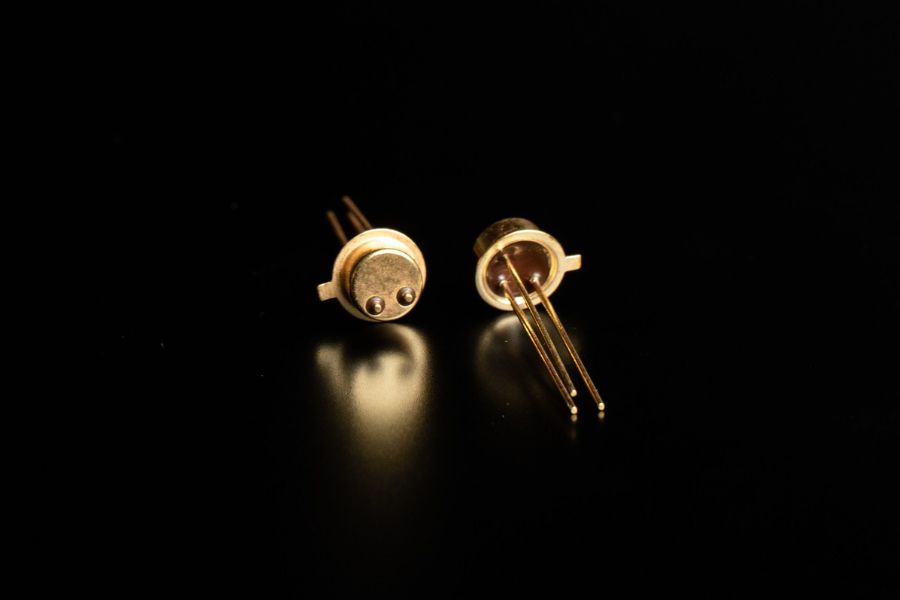
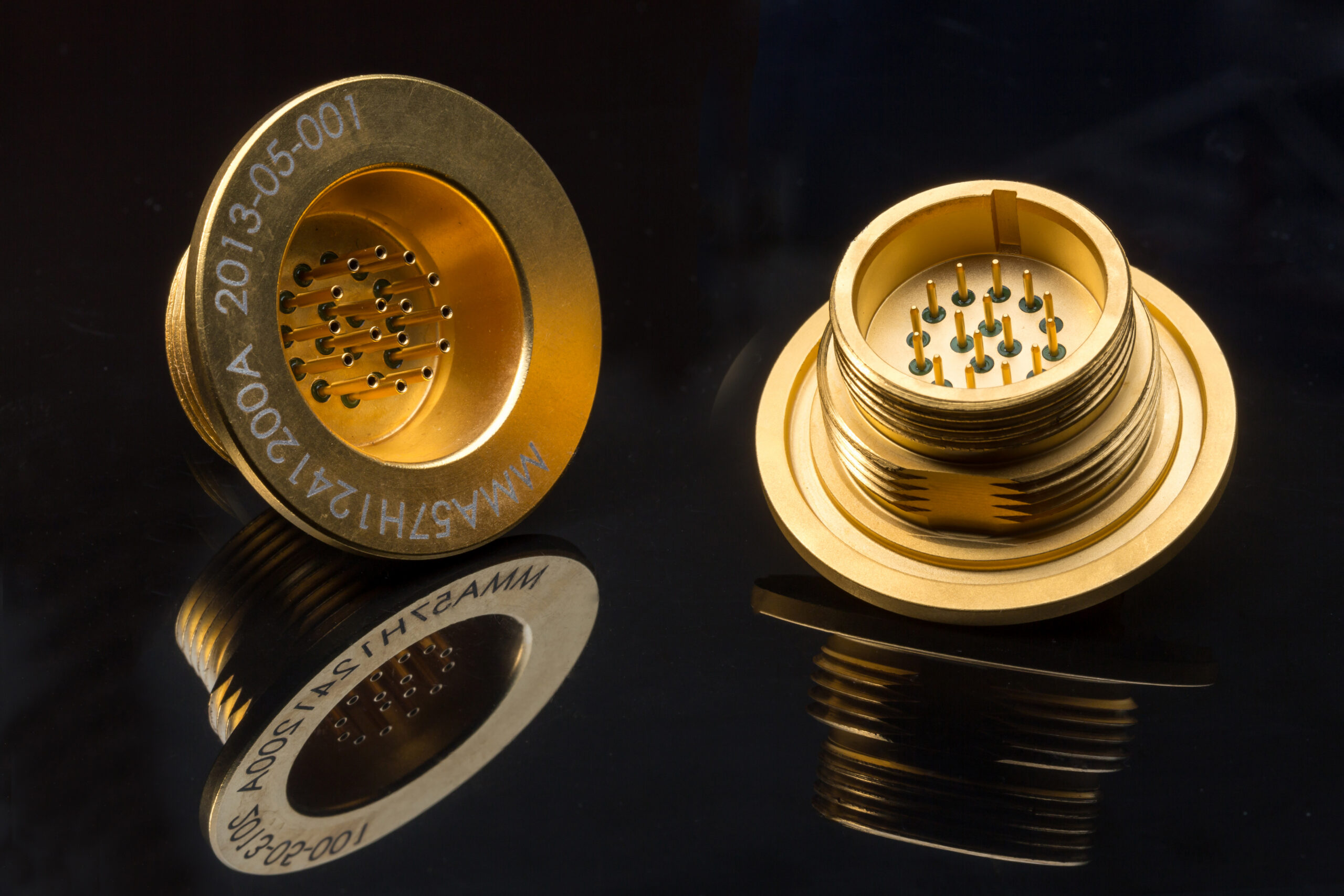
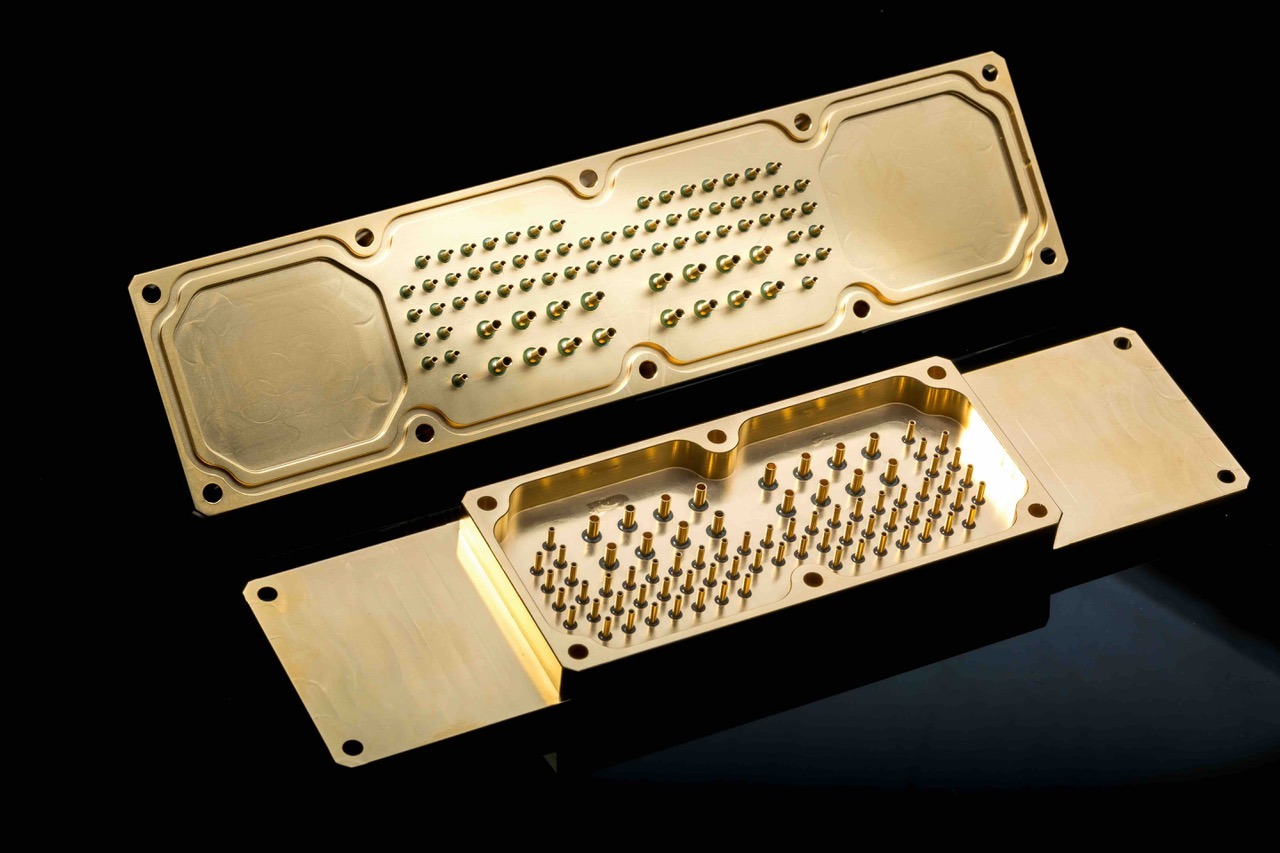
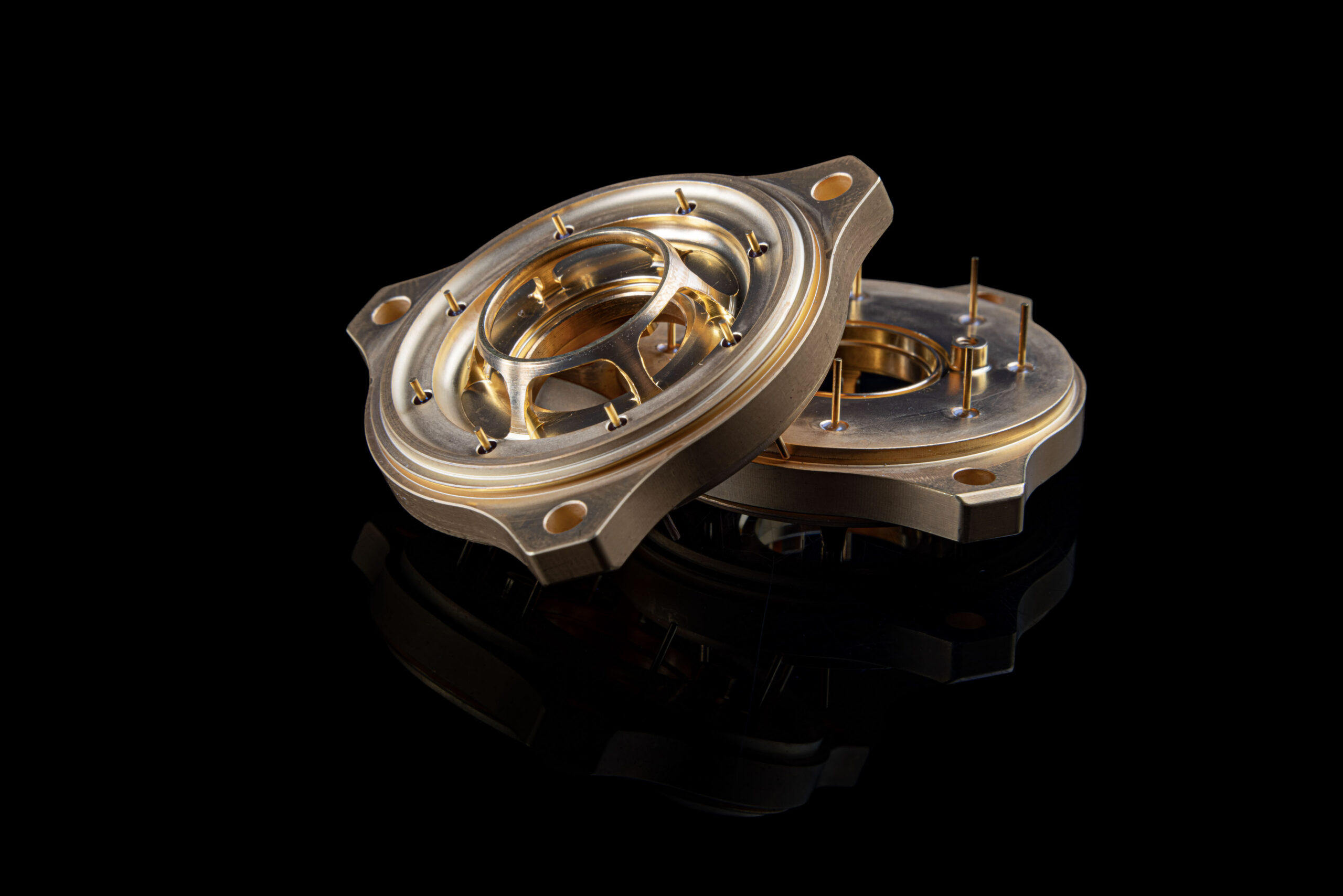
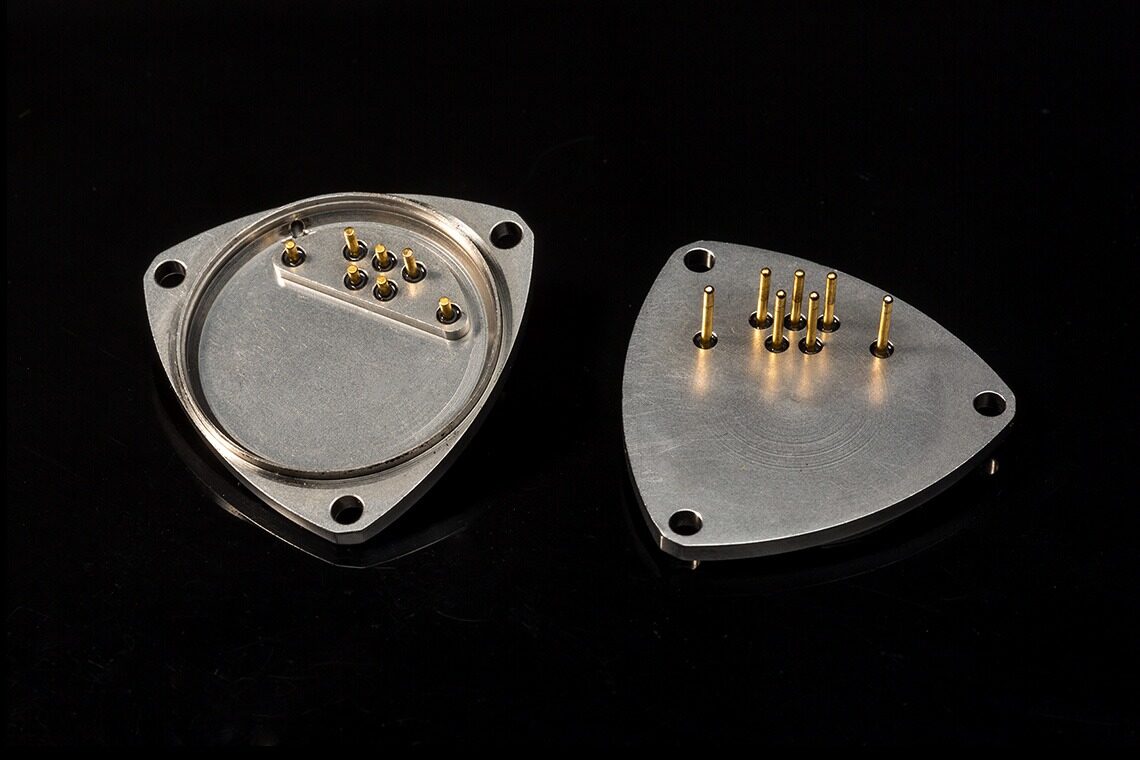
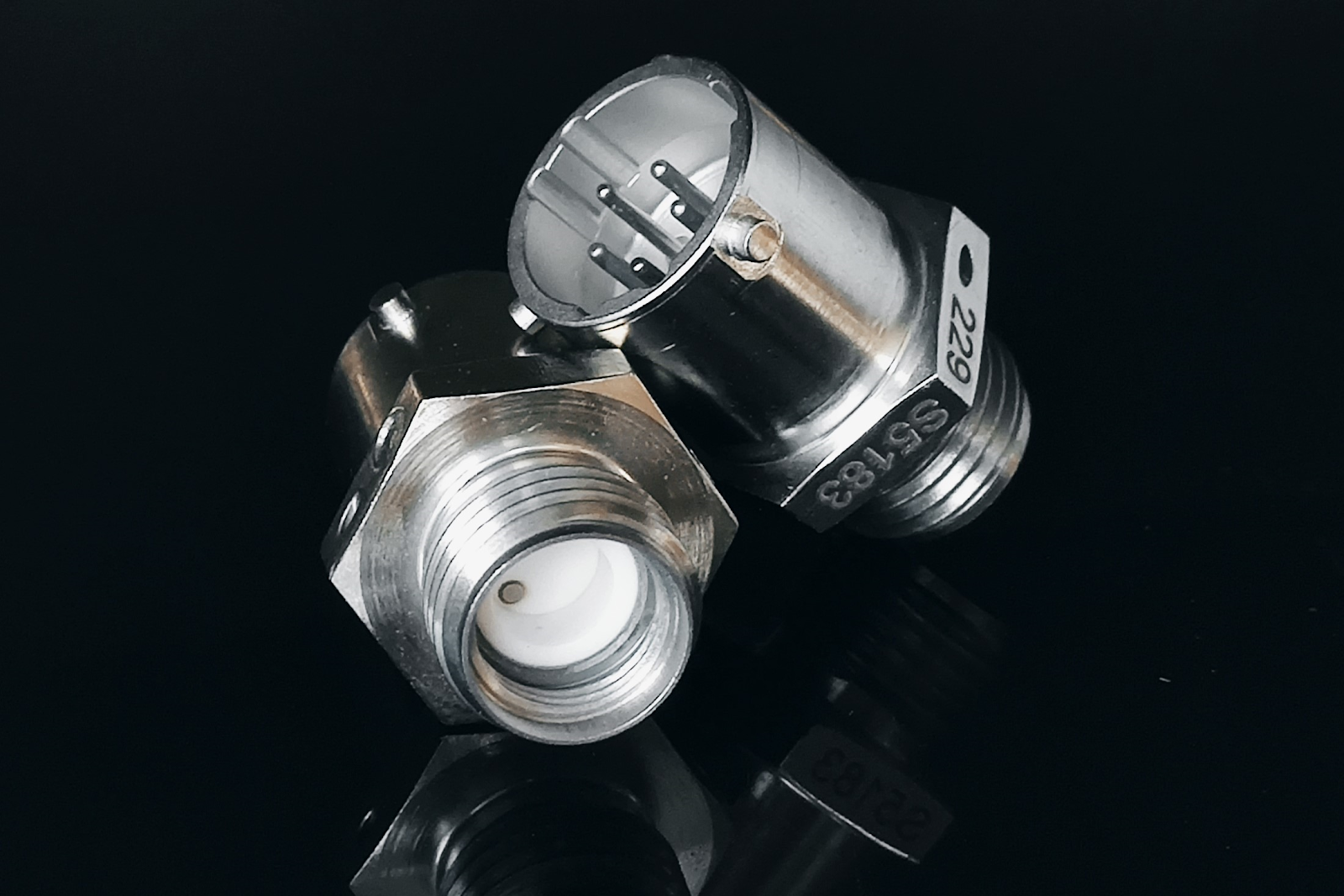
Hermetic headers are multi-pin hermetic assemblies that integrate multiple sealed feedthroughs into a single metallic body — reducing leak paths, simplifying installation, and maintaining power and signal transmission integrity in aerospace, defense, medical, and energy systems. For engineers designing assemblies where hermetic headers system reliability is the primary qualification criterion, the choice between individual feedthroughs and an integrated header is a structural decision, not a component preference.
Integrated Headers vs. Individual Feedthroughs
A hermetic header reduces leak path probability by consolidating multiple pin seals into a single component. Where individual feedthroughs require a separate transition hole and seal point for each conductor, a header integrates all pins into one robust metallic body — reducing the number of housing penetrations to one. Fewer penetrations means fewer potential leak sites, and a statistically lower probability of hermetic failure across the assembly’s service life.
Beyond leak path reduction, the unified header body provides structural advantages that isolated pins cannot match:
- Resistance to mechanical shock and intense vibration loads
- Resistance to rapid pressure changes across the housing interface
- A single, inspectable hermetic boundary rather than multiple independent seal points
Installation Methods: Permanent Bond vs. Cold Assembly
Hermetic headers support two primary installation approaches, each suited to different thermal and material constraints.
Soldering and precision welding create a permanent metallurgical bond between the header and the device housing. This approach eliminates elastomeric seals from the interface entirely and is the preferred method for high-strength, high-reliability applications where field servicing is not required.
Threaded mechanical mounting with O-rings provides a cold installation path — no heat is applied to the assembly during installation, eliminating thermal shock risk to the glass insulator. This method also allows for servicing and replacement in the field, making it well suited to applications where access and maintenance are design requirements.
Materials and Leak Testing Standards
Hermetic header reliability begins at material selection. The Coefficient of Thermal Expansion (CTE) of the metal body must be precisely matched to the glass insulator to prevent radial cracking during thermal cycling. Materials commonly used include:
- Kovar (4J29) — matched CTE to borosilicate glass, standard for high-reliability aerospace and defense applications
- Alloy 52 — an alternative nickel-iron alloy for matched seal designs
- Stainless steel — used in compression seal configurations for high-pressure environments
All Hermetron hermetic header assemblies undergo helium leak testing to MIL-STD-883, capable of detecting leak rates as low as 1×10⁻⁹ atm·cc/sec — a verification standard that ensures hermetic integrity across decades of operational life.
GlassTomer™: Lightweight Hermetic Headers for Aerospace Applications
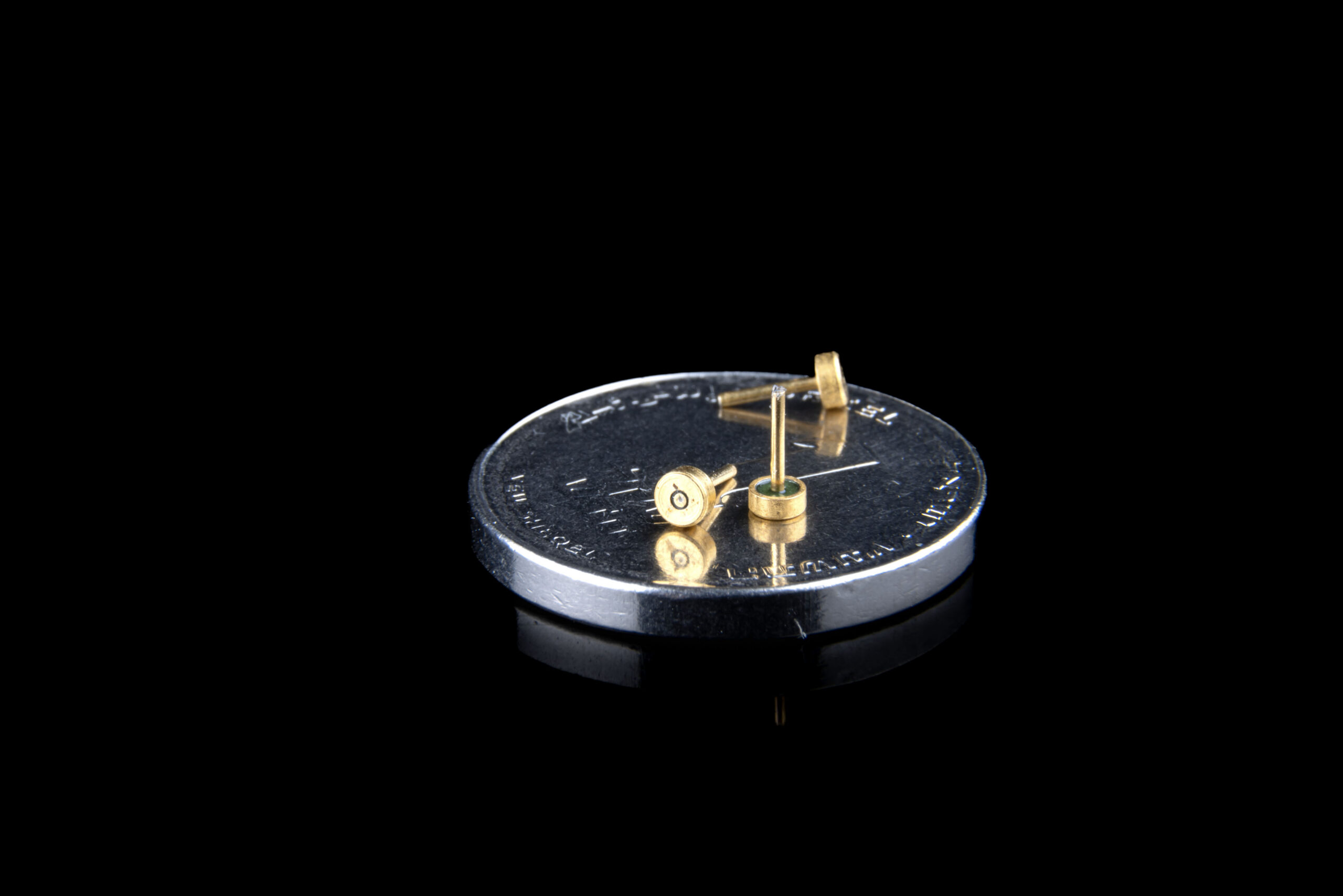
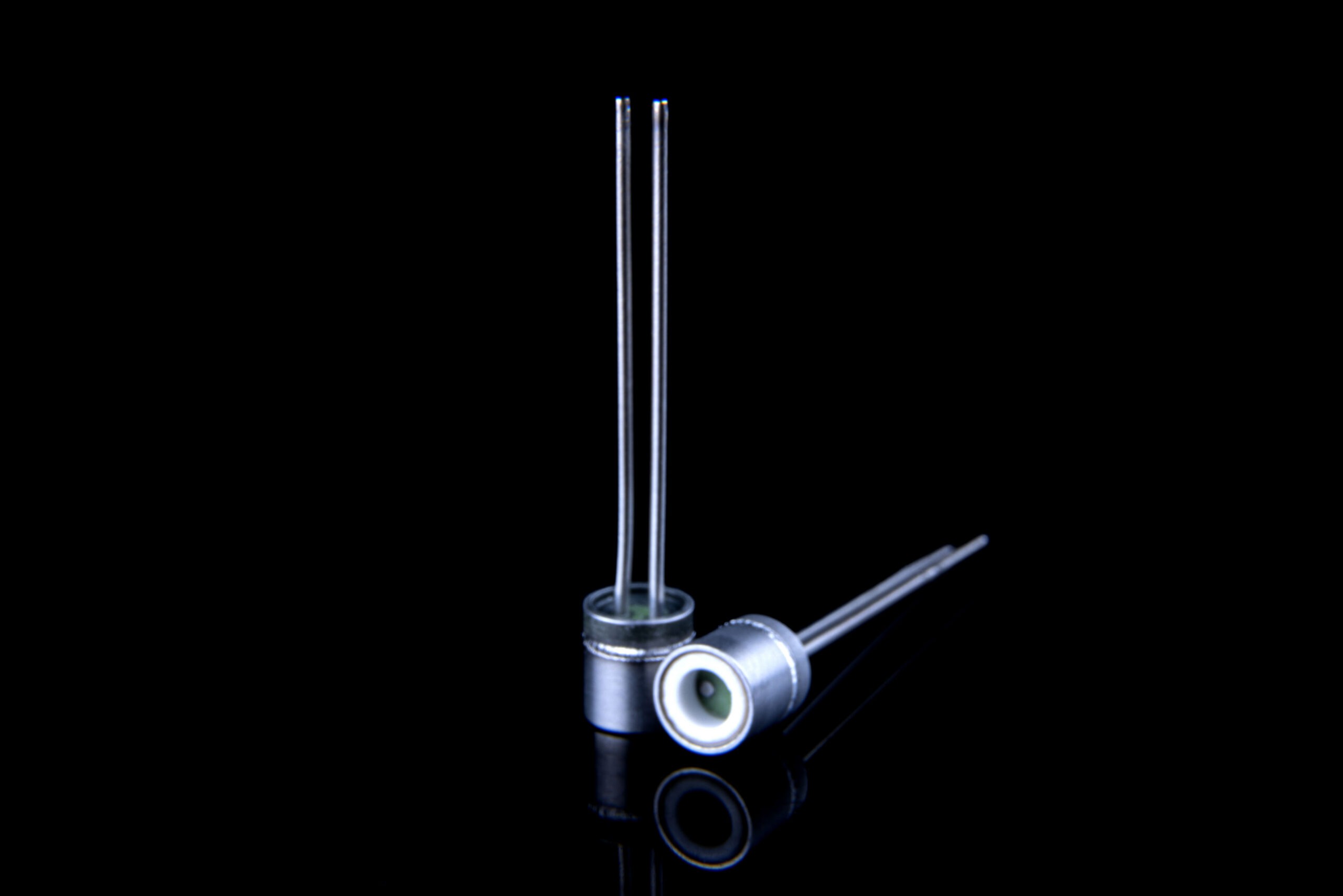
GlassTomer™ addresses a longstanding constraint in aerospace header design: traditional glass sealing processes require furnace temperatures that are incompatible with lightweight aluminum shells and high-conductivity copper contacts. Hermetron’s GlassTomer™ technology resolves this through an advanced adhesive polymer chemistry that delivers hermetic performance better than 1×10⁻⁸ cc He/sec within aluminum shells.
GlassTomer™ hermetic header assemblies provide:
- Beryllium-copper contacts for low-resistance signal and power transmission
- Lightweight aluminum shell construction for high-strength-to-weight ratio in airborne and space systems
- Operating temperature range of -55°C to +225°C
- Immunity to thermal cycles and mechanical shocks
- Outgassing performance exceeding NASA standards
- More than 100,000 units delivered to aerospace and defense programs with zero reported field failures
Conclusion
For aerospace, defense, and medical applications where a single hermetic boundary must protect an entire electronic assembly, the integrated header is the engineered solution — not a commodity component. Material selection, installation method, and leak test verification all determine whether that boundary holds across the system’s full service life. For engineers specifying hermetic headers for mission-critical assemblies, contact Hermetron’s engineering team to discuss dimensional requirements, pin configurations, and qualification standards.
FAQs
hermetic header is a multi-pin hermetic assembly that integrates multiple sealed conductors into a single metallic body, replacing the need for individual feedthroughs at each housing penetration. The primary advantage is leak path reduction: a header requires only one transition hole in the device housing rather than one per conductor, statistically lowering the probability of hermetic failure. Hermetron manufactures hermetic headers for aerospace, defense, medical, and energy applications to exact pin configurations and dimensional requirements.
Material selection in hermetic headers is determined by the need to match the Coefficient of Thermal Expansion (CTE) between the metal body and the glass insulator. CTE mismatch during thermal cycling generates tensile stress at the glass-metal interface — the primary cause of radial cracking and hermetic failure. Kovar (4J29) and Alloy 52 are used in matched seal designs because their CTEs align closely with borosilicate glass. Stainless steel is used in compression seal configurations for high-pressure environments. Hermetron selects materials based on the specific thermal and mechanical profile of each application.
Welded and soldered hermetic header installations create a permanent metallurgical bond between the header and housing, eliminating elastomeric seals from the interface and providing the highest long-term reliability. Threaded mechanical mounting with O-rings is a cold installation method — no heat is applied, eliminating thermal shock risk to the glass insulator — and allows for field servicing where required. The choice between the two depends on whether the application demands permanent installation or maintainability.
Hermetic headers for aerospace and defense applications are verified by helium mass spectrometry leak testing to MIL-STD-883, which can detect leak rates as low as 1×10⁻⁹ atm·cc/sec. This standard is the accepted qualification method for confirming hermetic integrity in mission-critical assemblies. Hermetron qualifies all hermetic header assemblies under AS9100D with ISO 9001:2015, registered through NSF-ISR, with helium leak testing as a mandatory production and qualification step.
GlassTomer™ is Hermetron’s advanced adhesive polymer sealing technology that achieves hermetic performance better than 1×10⁻⁸ cc He/sec within aluminum shells — a configuration not achievable with traditional glass sealing, which requires furnace temperatures incompatible with aluminum. The result is a lightweight hermetic header with a high strength-to-weight ratio, beryllium-copper contacts for superior conductivity, and an operating range of -55°C to +225°C. More than 100,000 GlassTomer™ units have been delivered to aerospace and defense programs with zero reported field failures.
Hermetic Headers from Hermetron
Standard and custom configurations for aerospace, defense, medical, and energy applications.