Category Hermetic Connectors

Hermetron's high-performance hermetic connectors are engineered for precision, reliability, and durability in the most demanding environments. Built for harsh conditions and mission-critical applications, these connectors offer robust sealing, superior electrical conductivity, and mechanical stability.

Whether for military, aerospace, industrial, or medical applications, Hermetron’s connectors provide exceptional performance, ensuring secure and stable connections under extreme conditions.

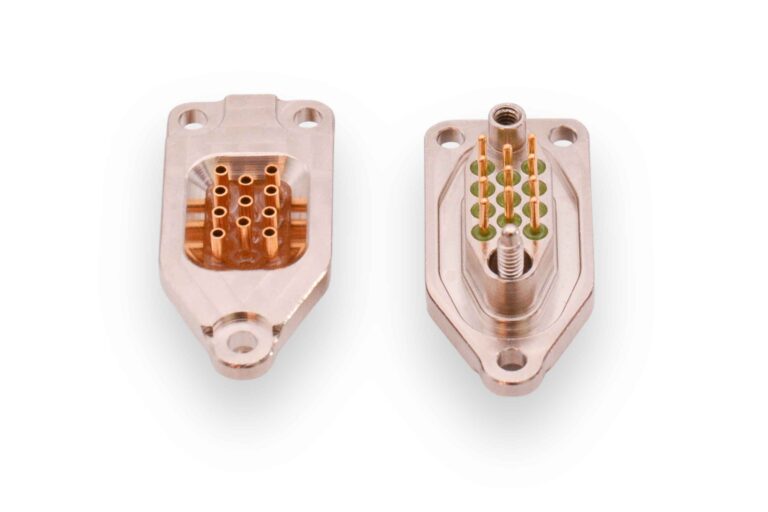
11-Pin Hermetic Connector

Hermetron 11-pin panel mount hermetic connector with GlassTomer™ and glass-to-metal sealing

11-pin hermetic connector with GlassTomer™ and glass-to-metal sealing ensures leak-tight performance for aerospace and defense applications.
31-Pin D-Type Hermetic Connector

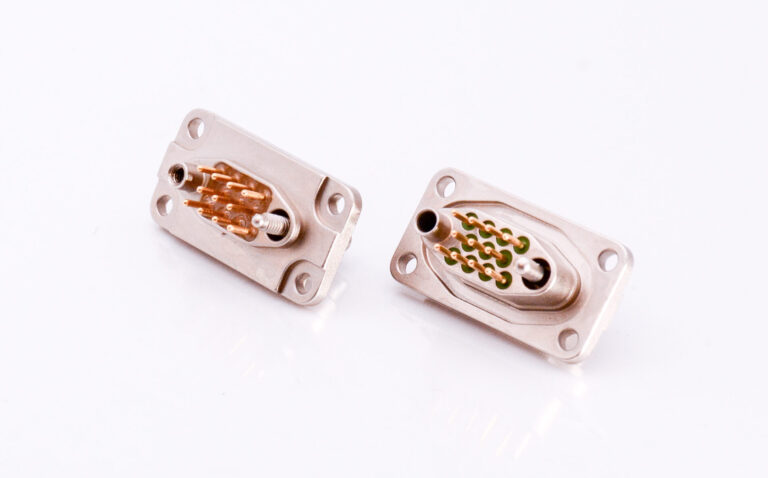
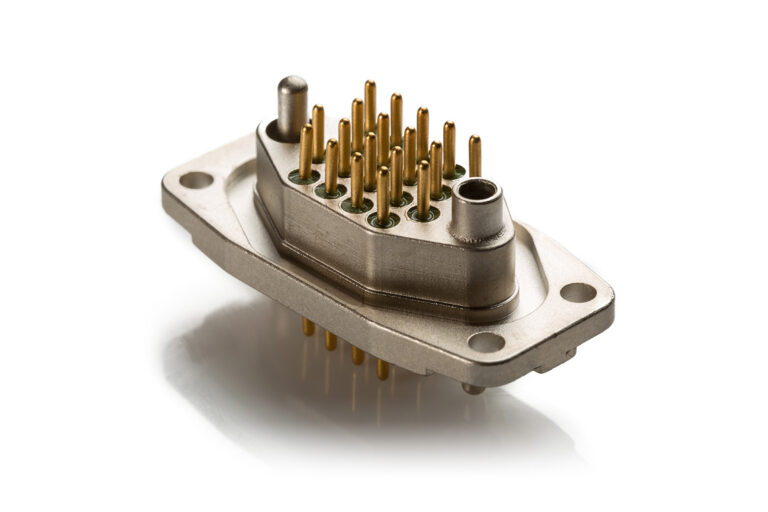
Hermetron 31-Pin D-Type Hermetic Connector

31-pin D-type hermetic connector with GlassTomer™ sealing and aluminum housing ensures durability, high pin density, and reliability for aerospace and defense systems.
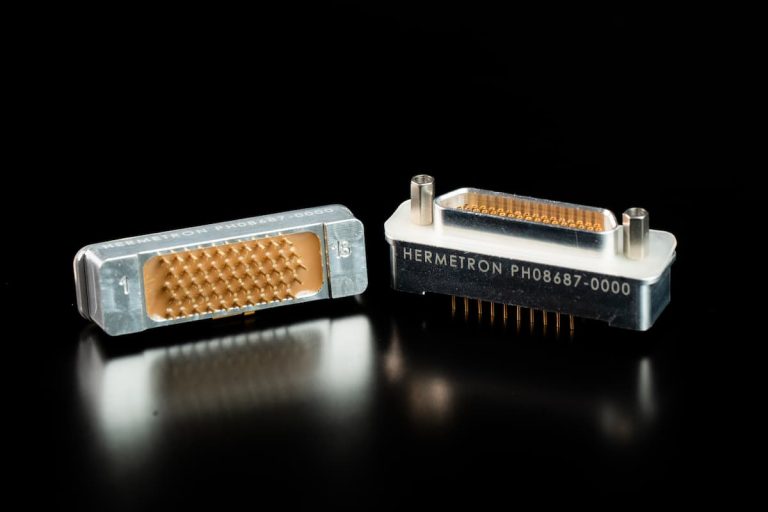
51-Pin Hermetic D-Type Connector

Hermetron 51-Pin Hermetic D-Type Connector

51-pin hermetic D-type connector with GlassTomer™ sealing and aluminum body ensures durability, insulation, and reliability for aerospace, defense, and embedded systems.
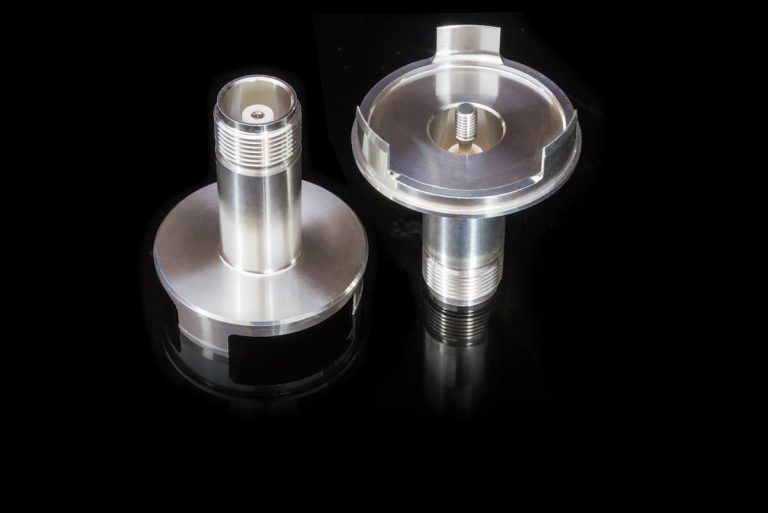
HN-Type Hermetic Coaxial Feedthrough

Hermetron HN-Type Hermetic Coaxial Feedthrough

HN-type hermetic coaxial feedthrough with GlassTomer™ sealing and aluminum body ensures durability, signal integrity, and RF reliability for aerospace and defense systems.
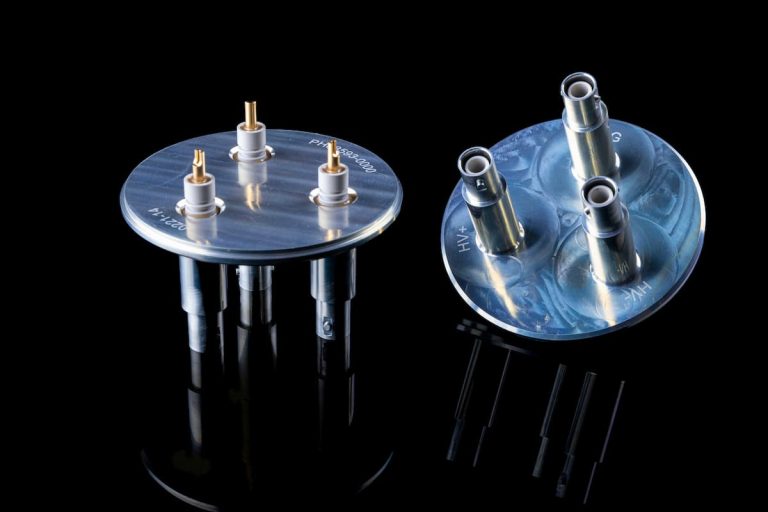
High-Voltage Hermetic Coaxial Feedthrough

Hermetron High-Voltage Hermetic Coaxial Feedthrough

High-voltage hermetic coaxial feedthrough with GlassTomer™ sealing and aluminum housing ensures durability, electrical isolation, and RF reliability for aerospace and defense.
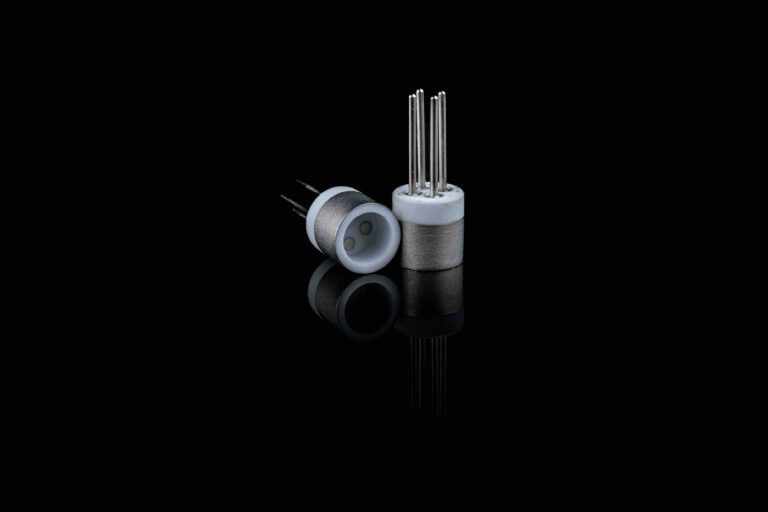
Hermetic Brazed Ceramic Header

Hermetron Hermetic Brazed Ceramic Header

Hermetic brazed ceramic header with alumina insulator and alloy pins ensures robust sealing, high dielectric strength, and durability in compact systems.

Threaded Circular Hermetic Connector

Gold-plated circular hermetic connectors with glass-to-metal seals

16-pin hermetic connector with stainless steel body, gold-plated contacts, and glass-to-metal sealing ensures durability and signal integrity in harsh systems.
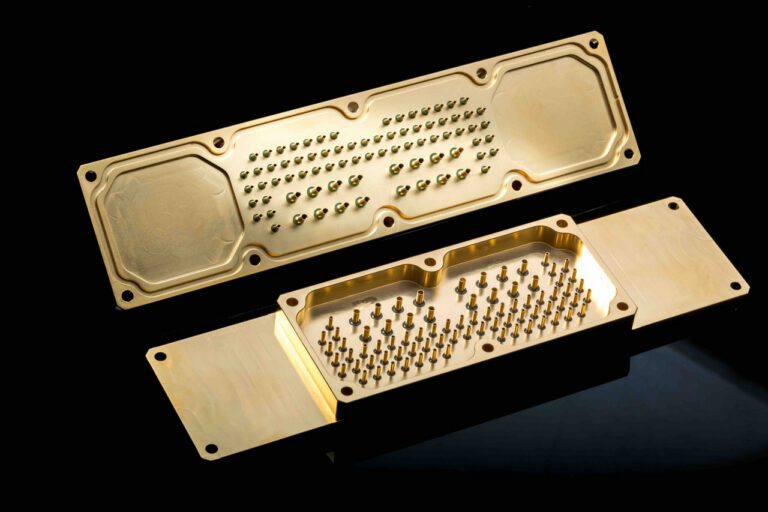
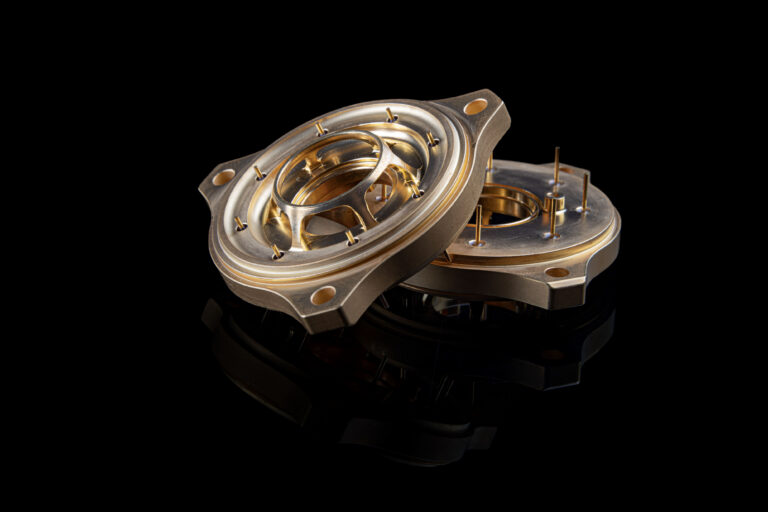
Kovar Hermetic Secondary Base

Gold-plated custom hermetic housings with integrated feedthrough pins

Hermetic Kovar base with glass-to-metal sealing ensures stability and durability under stress, ideal for gyroscopic, navigation, and defense systems.

Hermetic Power Connector

Hermetron Hermetic Power Connector

Hermetic power connector with GlassTomer™ hybrid sealing and a lightweight aluminum body delivers high-current, hermetic reliability for aerospace, defense, and rugged industrial systems.

D-Type Hermetic Connector

Hermetron D-Type Connector

D-type hermetic connector with GlassTomer™ hermetic sealing and olive drab finish ensures durability, conductivity, and MIL-spec reliability. Lightweight and customizable, it is ideal for aerospace, military, and industrial systems in harsh environments.

Epoxy-Sealed D-Type Connector

Hermetron Epoxy-Sealed D-Type Connector

Reliable epoxy-sealed D-Type connector with aluminum body and gold-plated sockets. Cost-effective and moisture-resistant solution for electronics, aerospace, and industrial systems where full hermeticity is not required.
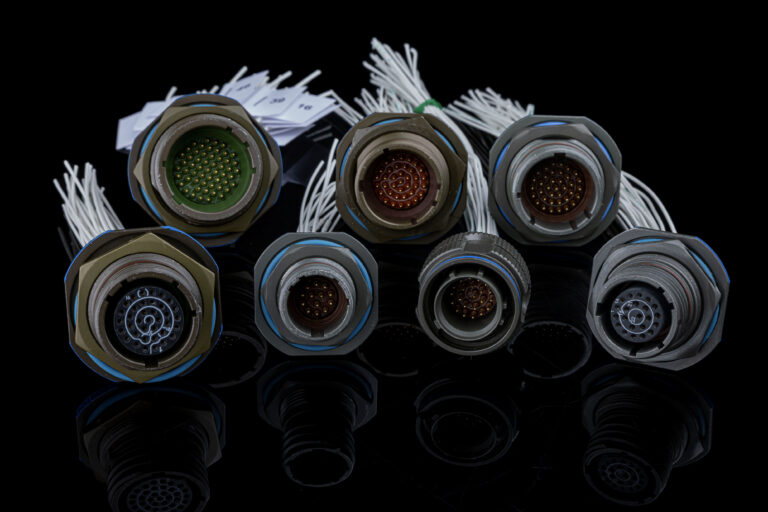
D38999 Lightweight Hermetic Connector

Hermetron Lightweight Hermetic Connector – D38999 Series

Lightweight hermetic D38999 connector with GlassTomer™ sealing and aluminum shell offers high hermeticity, reduced weight, and coax termination options. Ideal for aerospace, UAVs, and mission-critical electronics requiring durability in extreme environments.
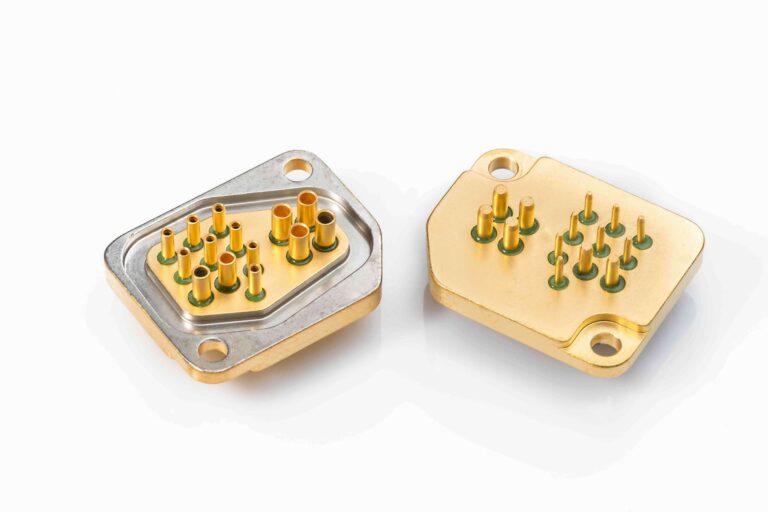
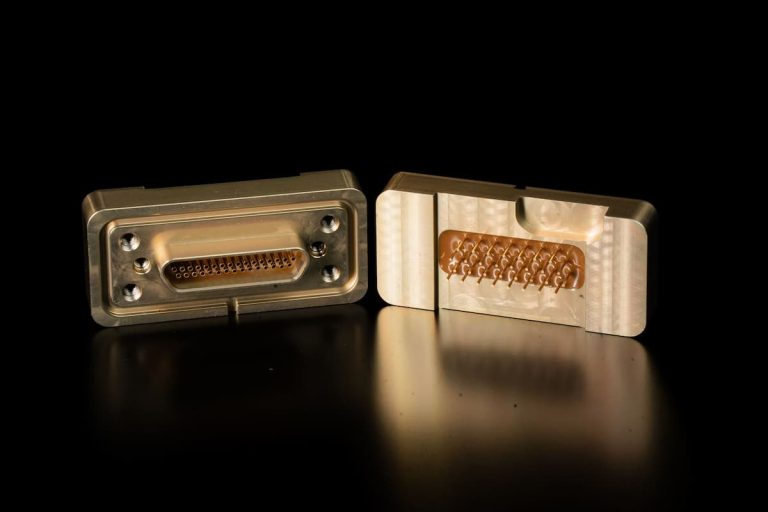
Rectangular Ultra-Hermetic Connector

A 27-pin ultra-hermetic connector showcasing its high-sealing performance design.

Rectangular ultra-hermetic connector with a gold-plated Kovar body and matched glass-to-metal seal, rated better than 1×10⁻¹⁰ cc/sec from -55°C to +300°C.

High-Voltage Hermetic Connector

High voltage hermetic connector engineered with advanced glass-sealing technology.

High-voltage hermetic connector with glass-sealing tech ensures insulation, durability, and leak-tight performance in extreme electrical conditions.
Frequently Asked Questions — Hermetic Connectors

The difference lies in the permanence and level of isolation of the seal. Environmentally sealed connectors use elastomeric seals — O-rings and gaskets — to protect against dust and moisture, typically rated on the IP scale. Hermetron's hermetic connectors provide a permanent, gas-tight barrier using glass-to-metal or GlassTomer™ sealing technology, capable of maintaining a vacuum or resisting extreme pressure differentials of 32 psi and above that would cause standard elastomeric seals to permeate or fail entirely.

Hermetron recommends Compression Seals for circular connectors deployed in high-pressure or high-shock environments. Compression seals use a housing with a higher Coefficient of Thermal Expansion (CTE) than the glass, physically squeezing the seal as it cools to create a robust mechanical bond. Matched Seals are the better choice for rectangular or complex geometries where a stress-free bond is required — using materials like Kovar and borosilicate glass that expand and contract in near-perfect unison, eliminating interfacial stress that could compromise the seal under thermal cycling.

The mounting style directly determines the long-term reliability of the hermetic barrier. Hermetron's Jam-Nut Receptacles offer straightforward installation through a single panel hole with an O-ring, making them well-suited for systems that require field maintenance or periodic disassembly. Weld or Solder-Mount Receptacles eliminate elastomeric seals entirely by permanently bonding the connector to the housing — removing the aging and permeability risks inherent in any rubber seal and providing the highest level of long-term hermetic assurance available.

Yes. Traditional glass-sealed hermetic connectors require heavy steel or Kovar shells due to CTE compatibility requirements. Hermetron's GlassTomer™ technology breaks this constraint by enabling lightweight aluminum shells paired with high-conductivity beryllium-copper contacts, while maintaining hermeticity levels of 1×10⁻⁸ cc He/sec — the same standard as glass-to-metal seals. The result is hermetic connectors with up to 50% weight savings compared to traditional steel-shell designs, which is critical for aerospace and defense applications where mass budgets are tightly controlled.

Traditional glass-to-metal hermetic seals require pins made from Kovar or Inconel due to their CTE compatibility with borosilicate glass — but these alloys have significantly lower electrical conductivity than copper. This creates a performance trade-off that limits suitability for high-power or high-speed signal applications. Hermetron addresses this constraint through GlassTomer™ and encapsulant-based sealing technologies, which allow the use of gold-plated copper contacts without sacrificing hermeticity — delivering both electrical performance and seal integrity in a single connector package.

Residual stress (RS) is a mechanical stress state that develops within the glass body of a hermetic seal during the manufacturing cooling process. Research shows that this stress transitions from compressive to tensile states as the glass approaches its transition temperature (Tg) under repeated thermal cycling. An oxide layer also forms at the glass-to-metal interface — this layer dissolves into the glass and can locally increase the CTE, creating a stress concentration point that may initiate micro-cracks over time. Engineers specifying Hermetron's hermetic connectors for high-thermal-cycle environments should confirm that the seal design accounts for residual stress management from the outset.

For space-grade applications, hermetic connectors must meet NASA's EEE-INST-02 screening levels to prevent polymer outgassing from contaminating sensitive optical instruments, detectors, and spacecraft electronics. Polymer-based or elastomeric-sealed connectors are generally unsuitable for these environments due to inherent outgassing properties. Hermetron's glass-sealed connectors and GlassTomer™ hermetic connectors meet these requirements through their extremely low outgassing characteristics, making them the appropriate choice for satellite, deep space, and vacuum chamber deployments.

Installation torque discipline is critical for Jam-Nut hermetic connectors. Over-torqueing applies non-radial forces that can crack the internal glass seal — a failure that is often invisible externally but immediately catastrophic for hermeticity. Under-torqueing leads to incomplete O-ring compression and a direct leak path. Hermetron recommends using precision blind-tapped holes to minimize secondary leak paths, following the specified torque value for each connector series without deviation, and always using a calibrated torque tool rather than hand-tight estimates on any hermetic installation.
Saar Gorstein, Applications Manager, and Sergey Dumenko, Chief Engineer, at Hermetron

Saar Gorstein

Applications Manager

Sergey Dumenko

Chief Engineer

Need hermetic connectors for your application?

Accessibility Toolbar