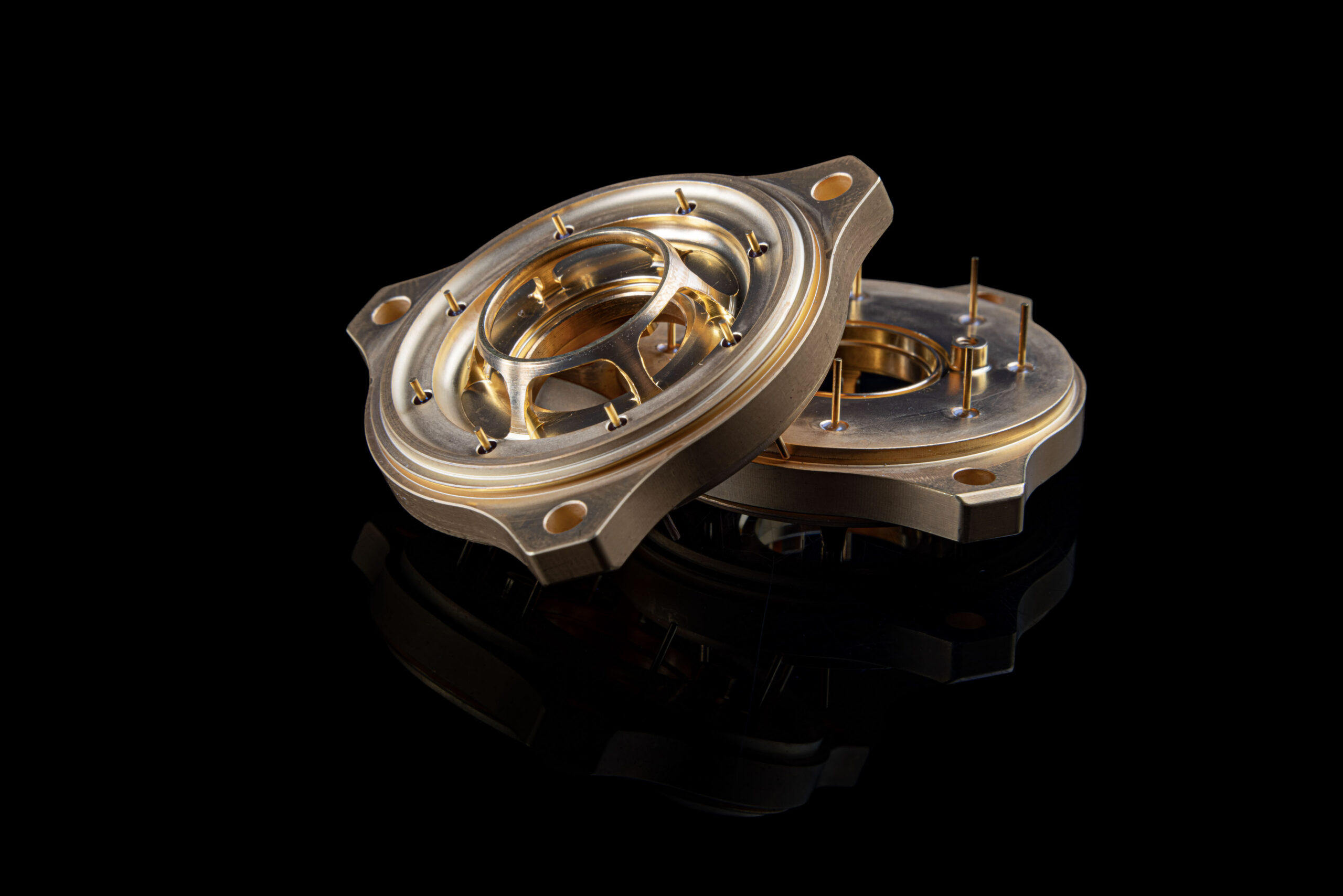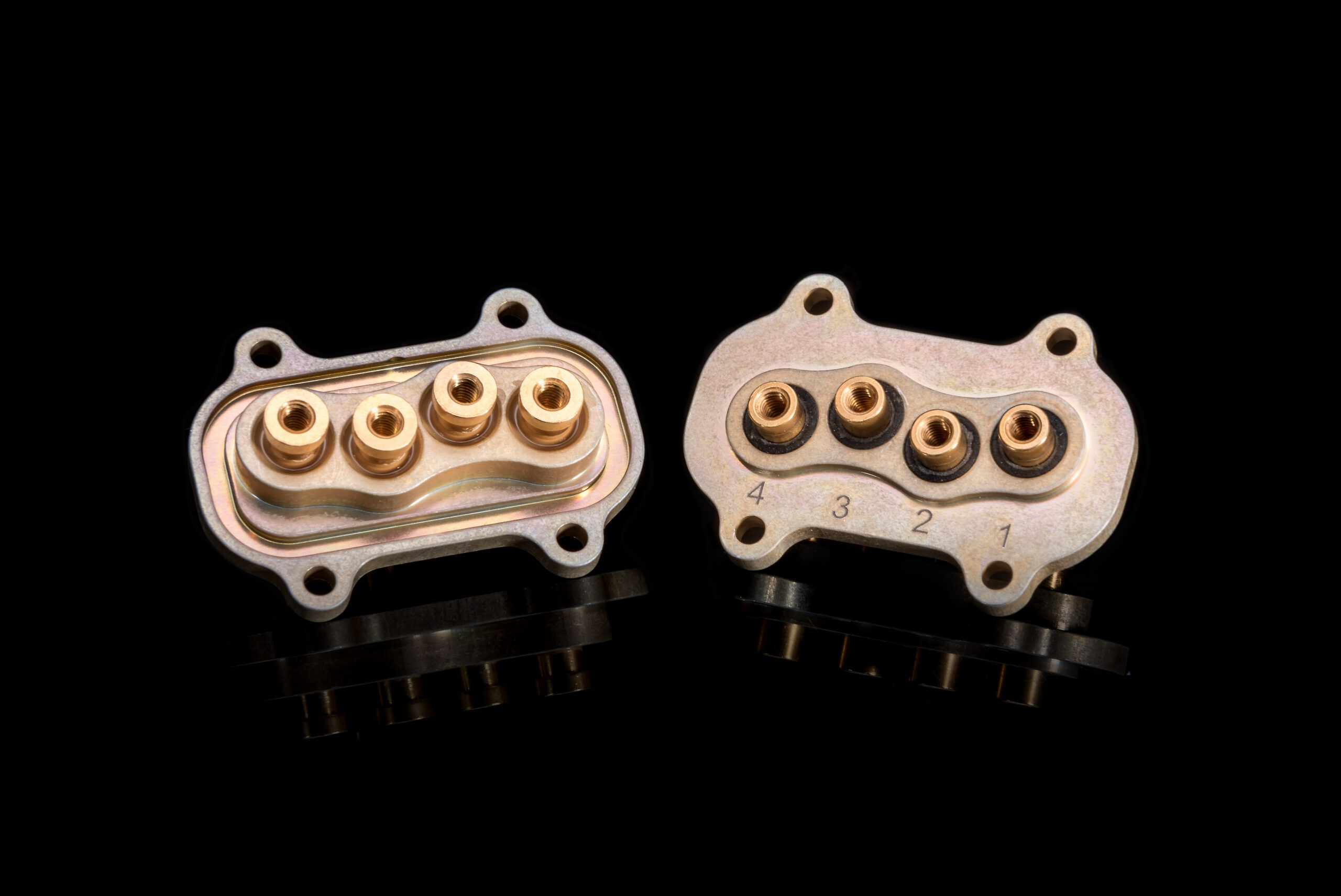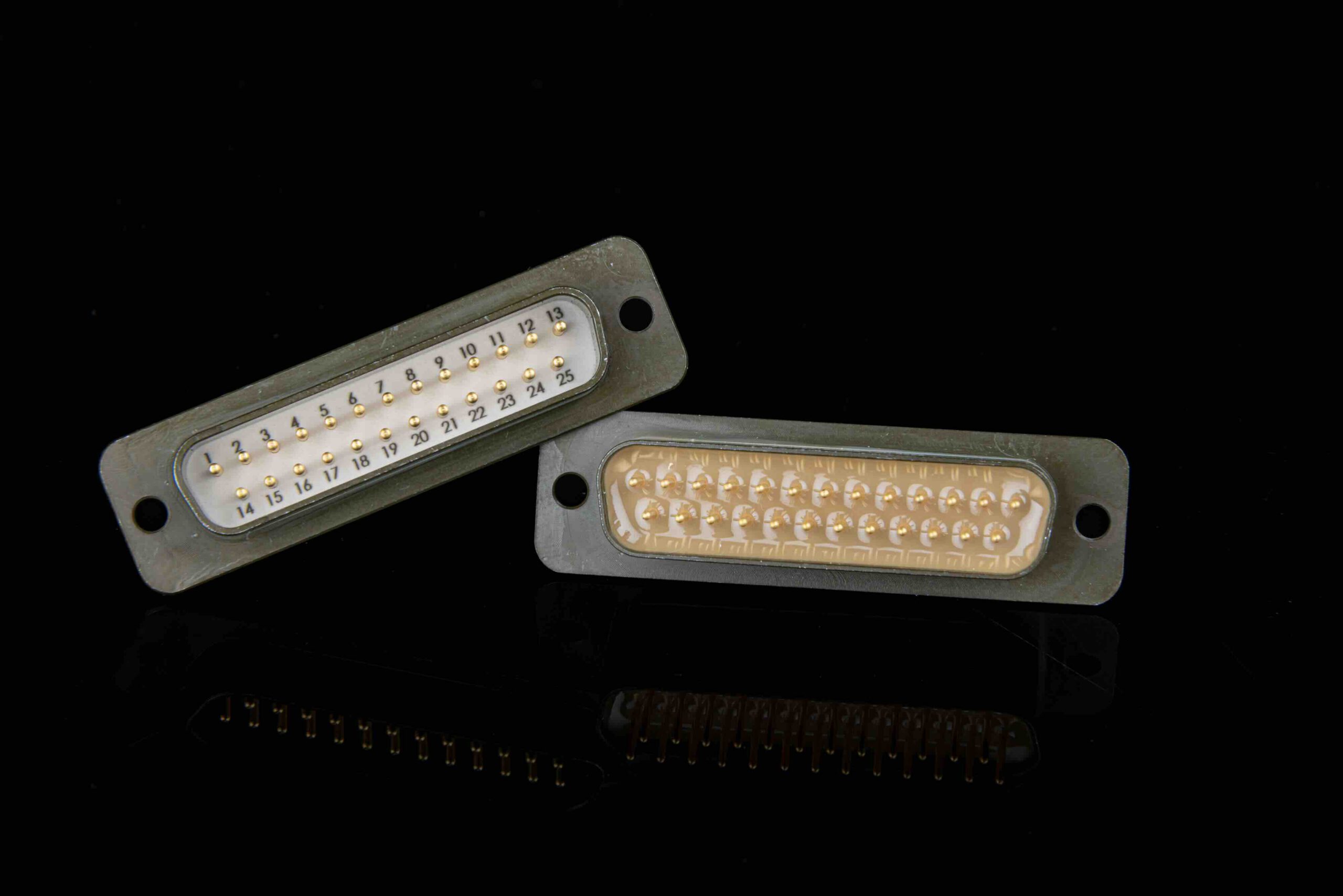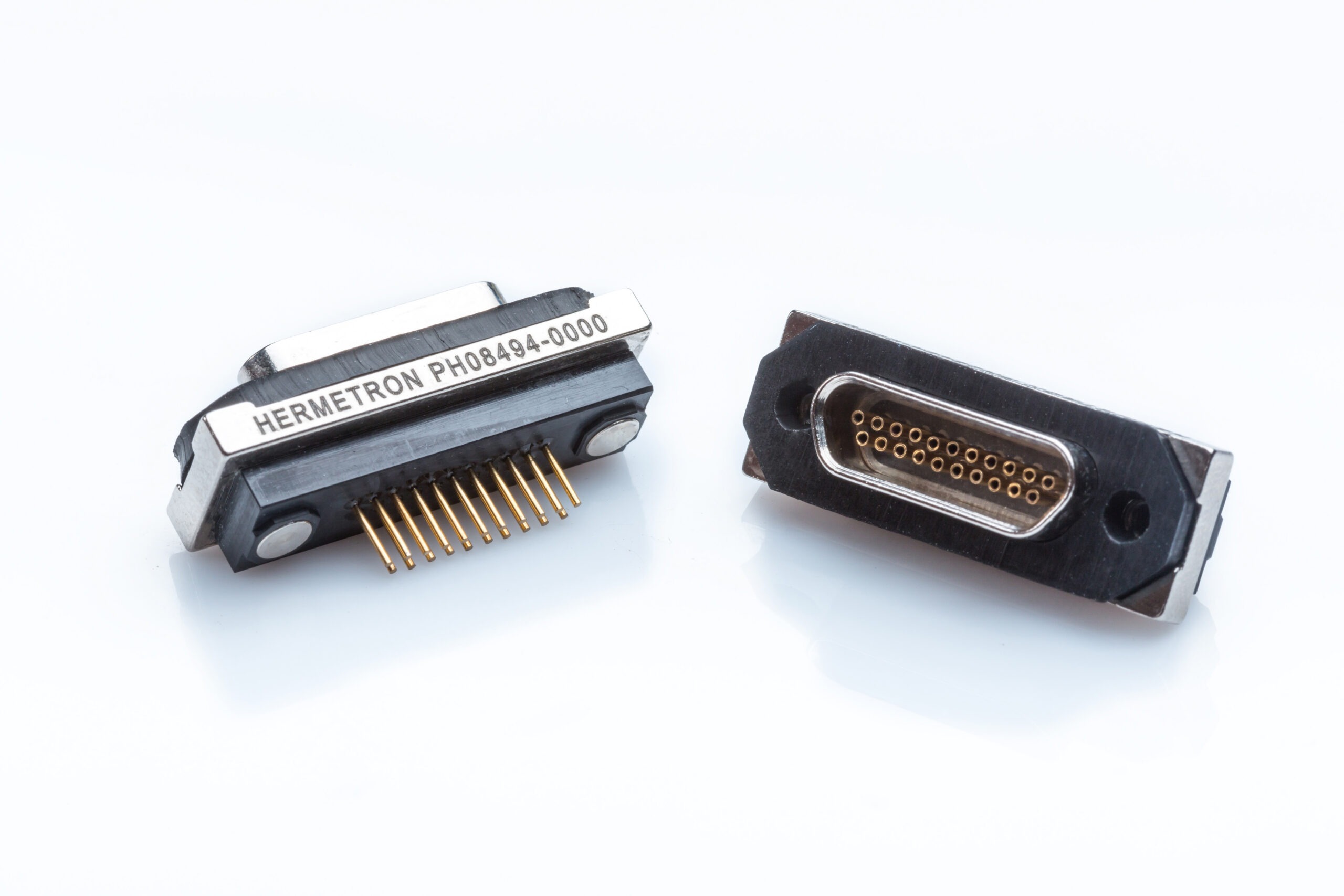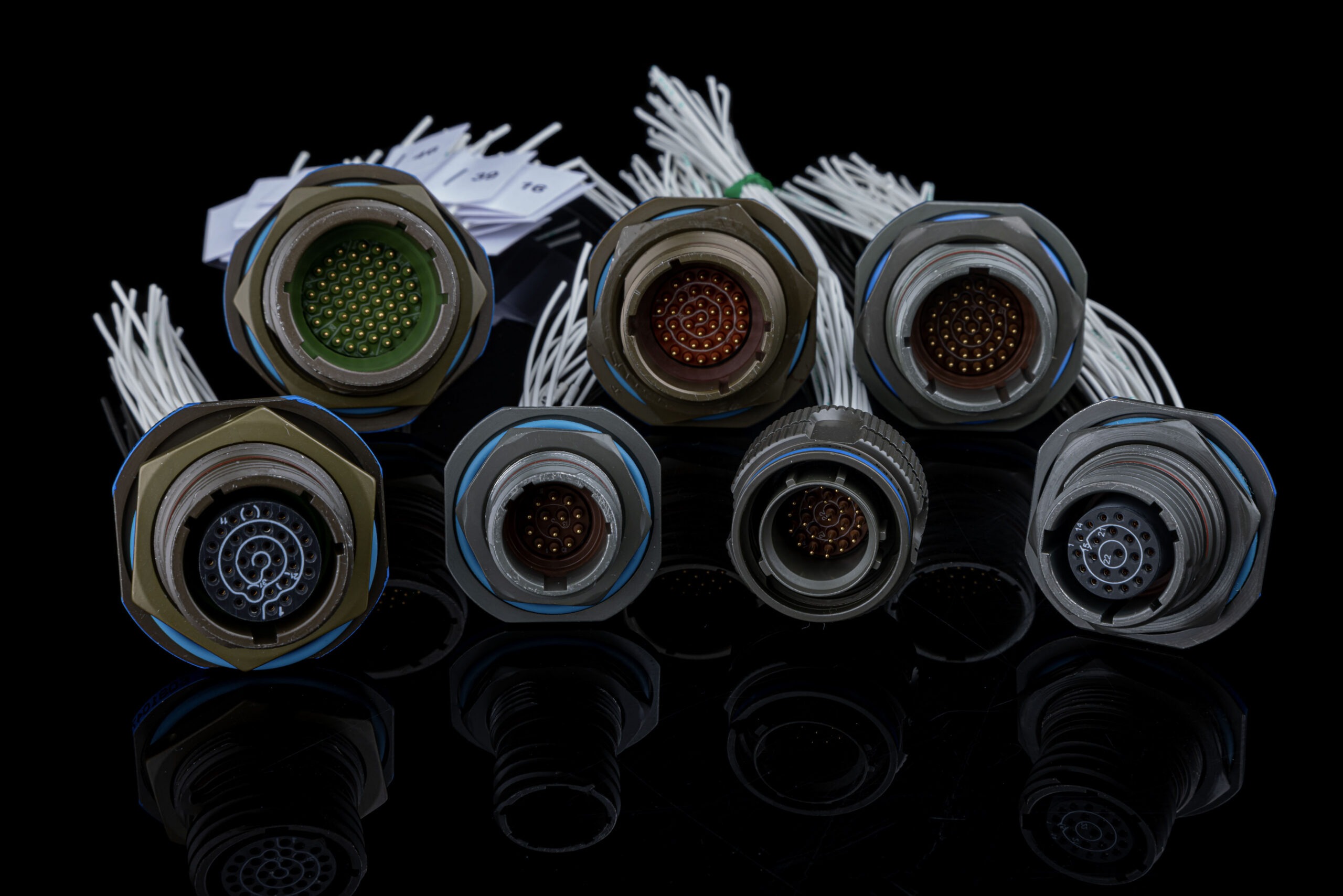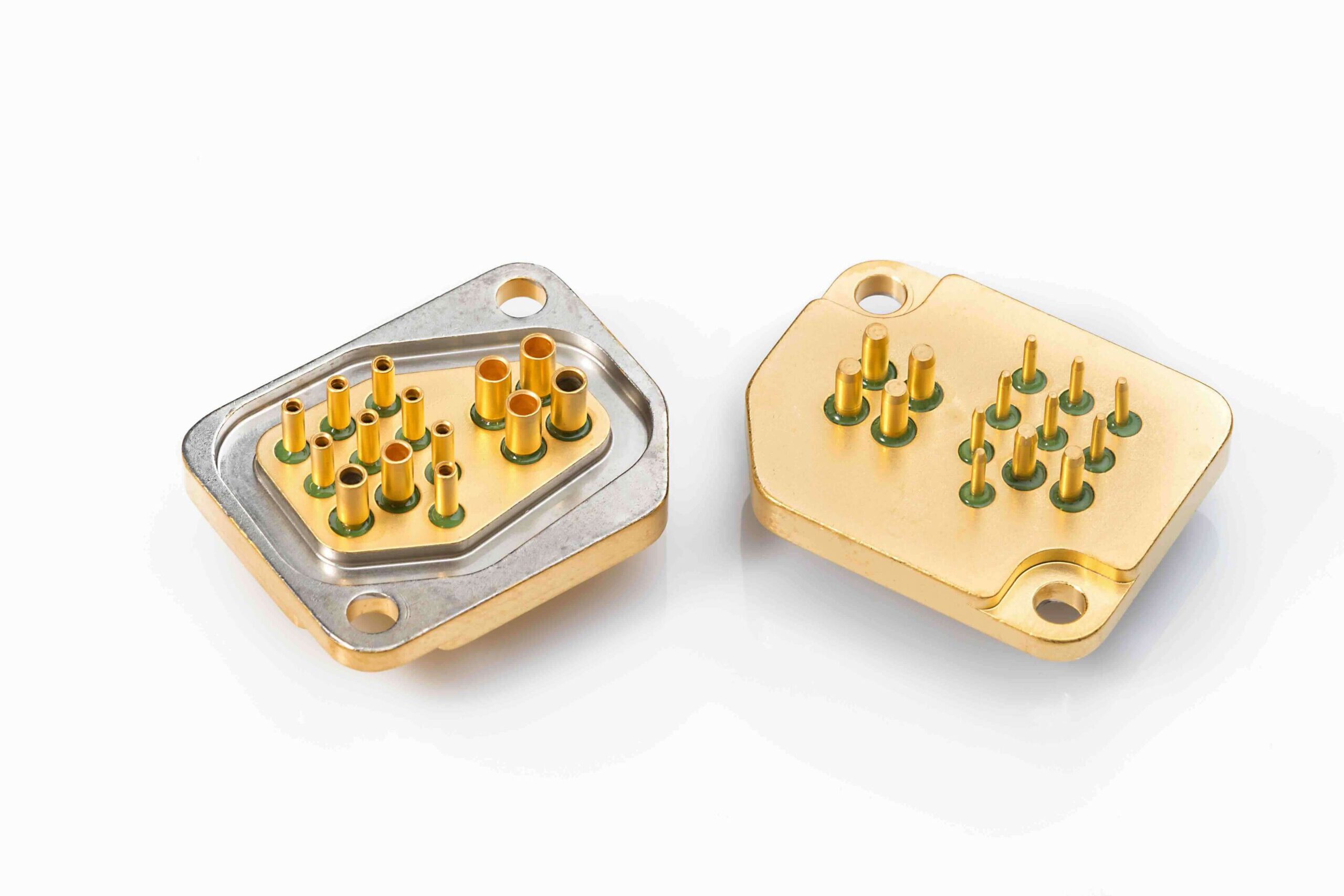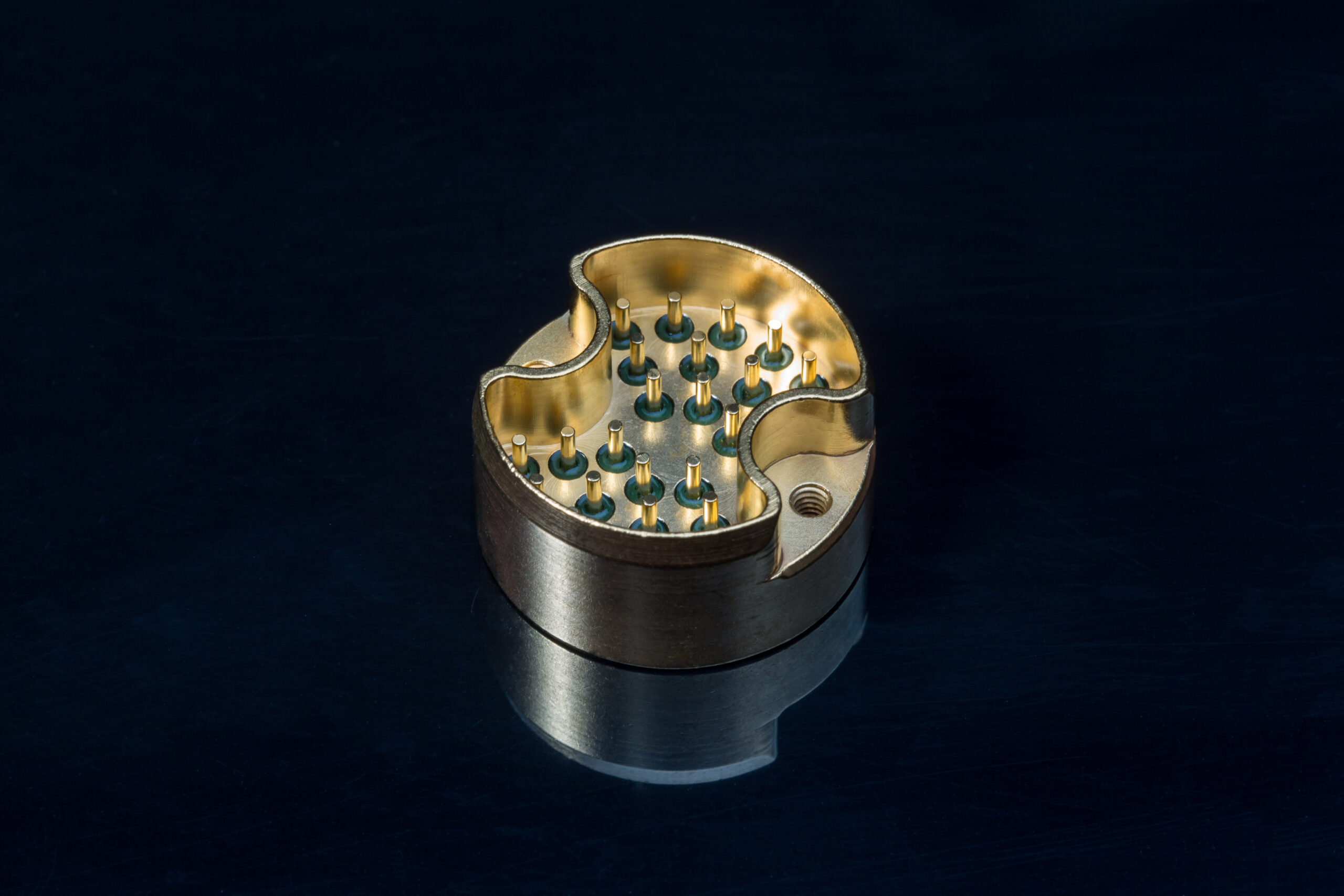
Hermetic Connectors and Interconnect Integrity
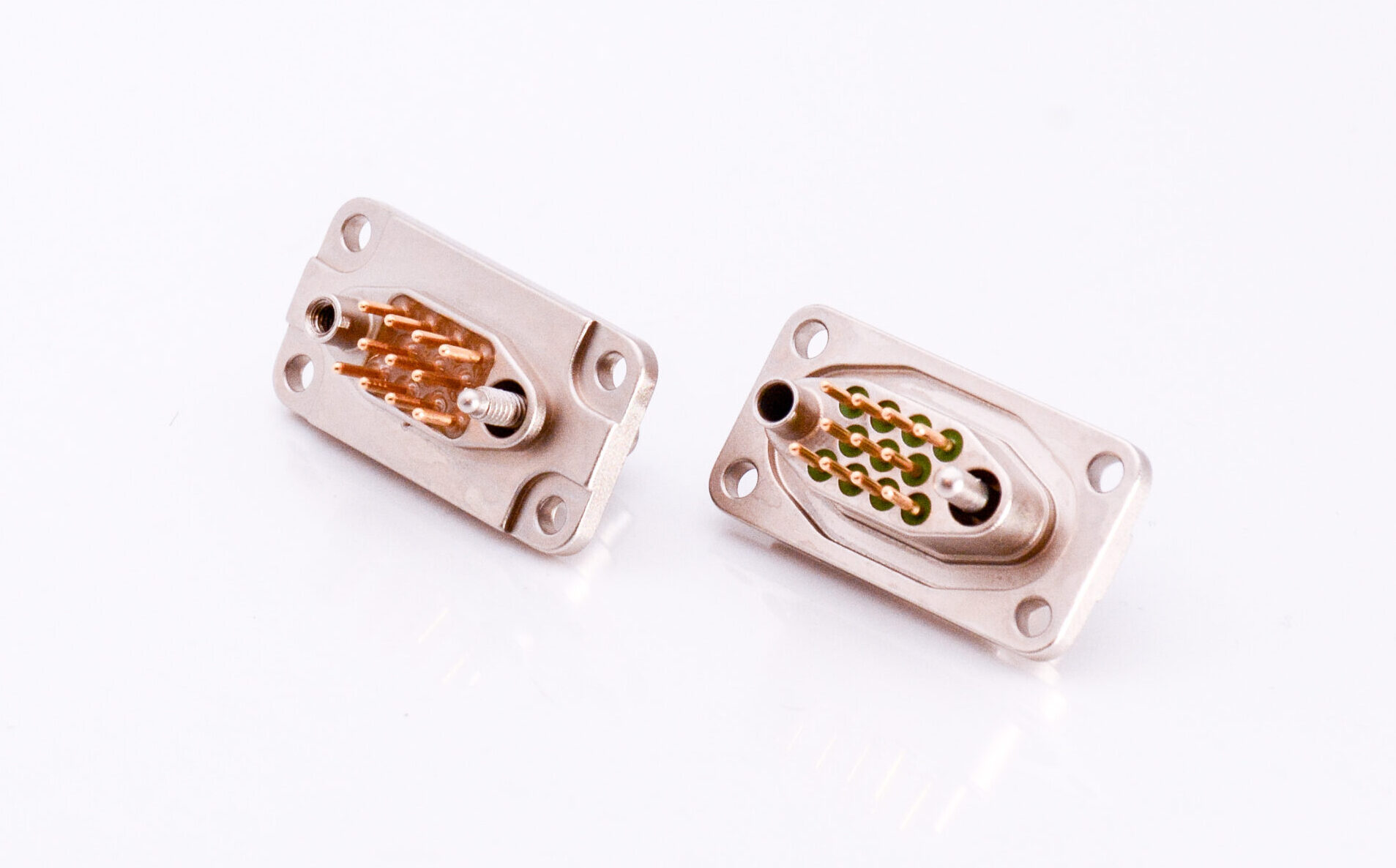
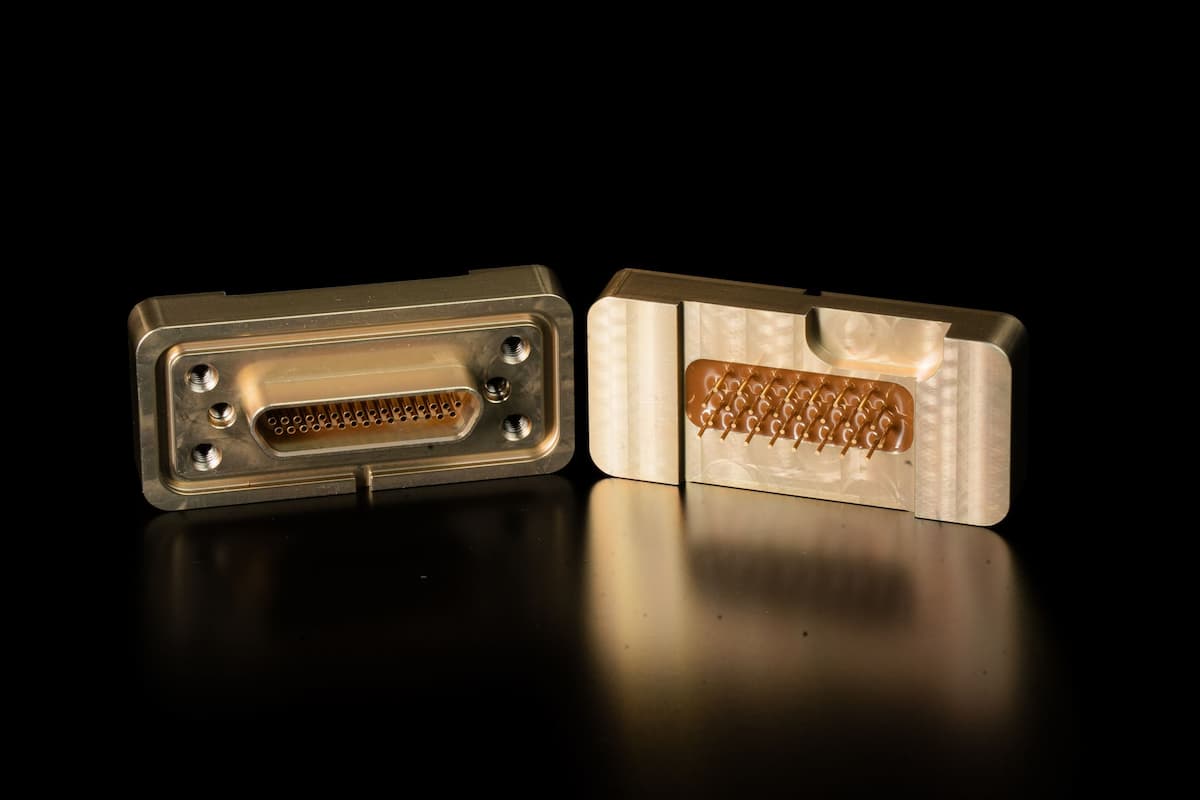
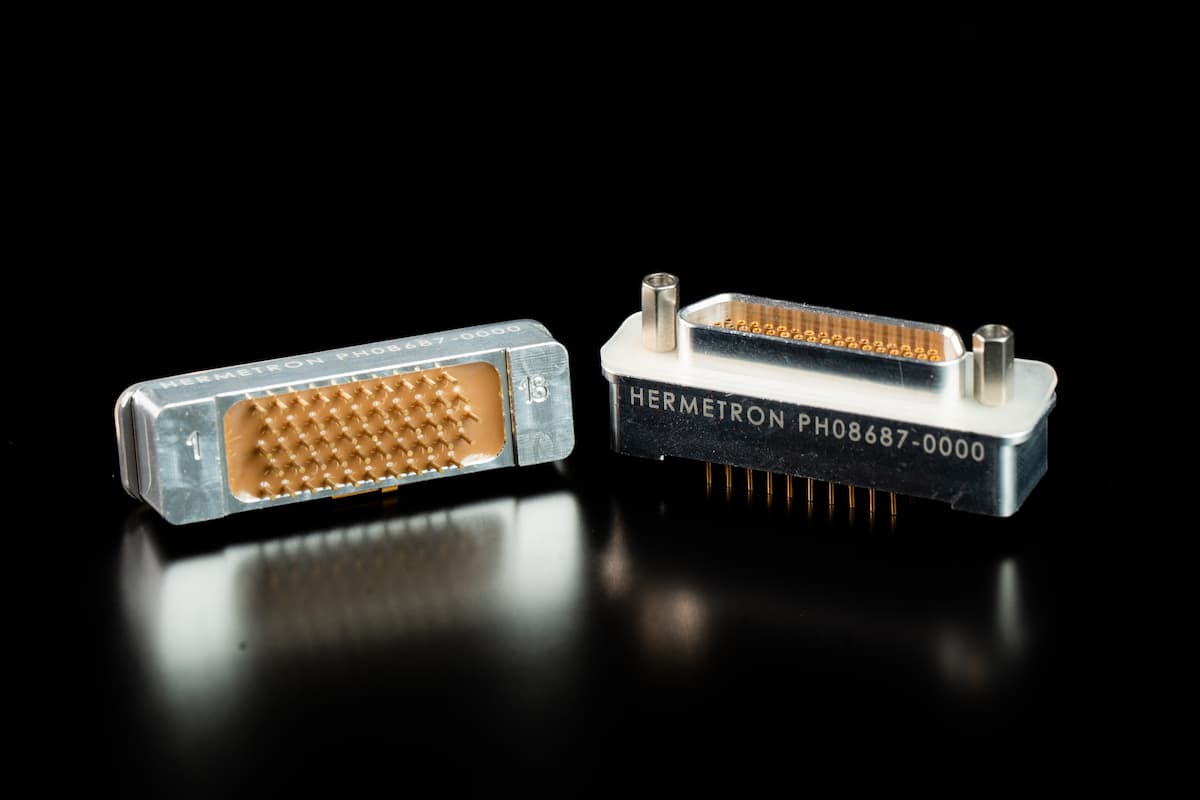
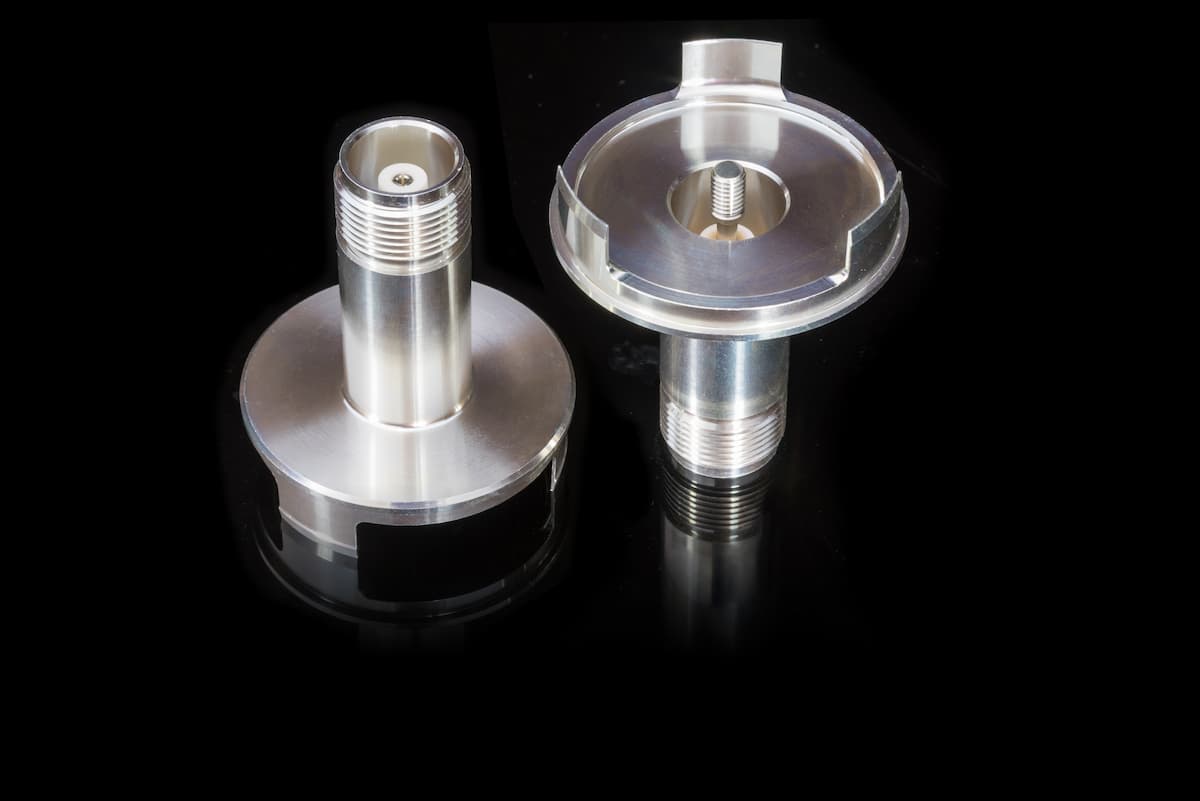
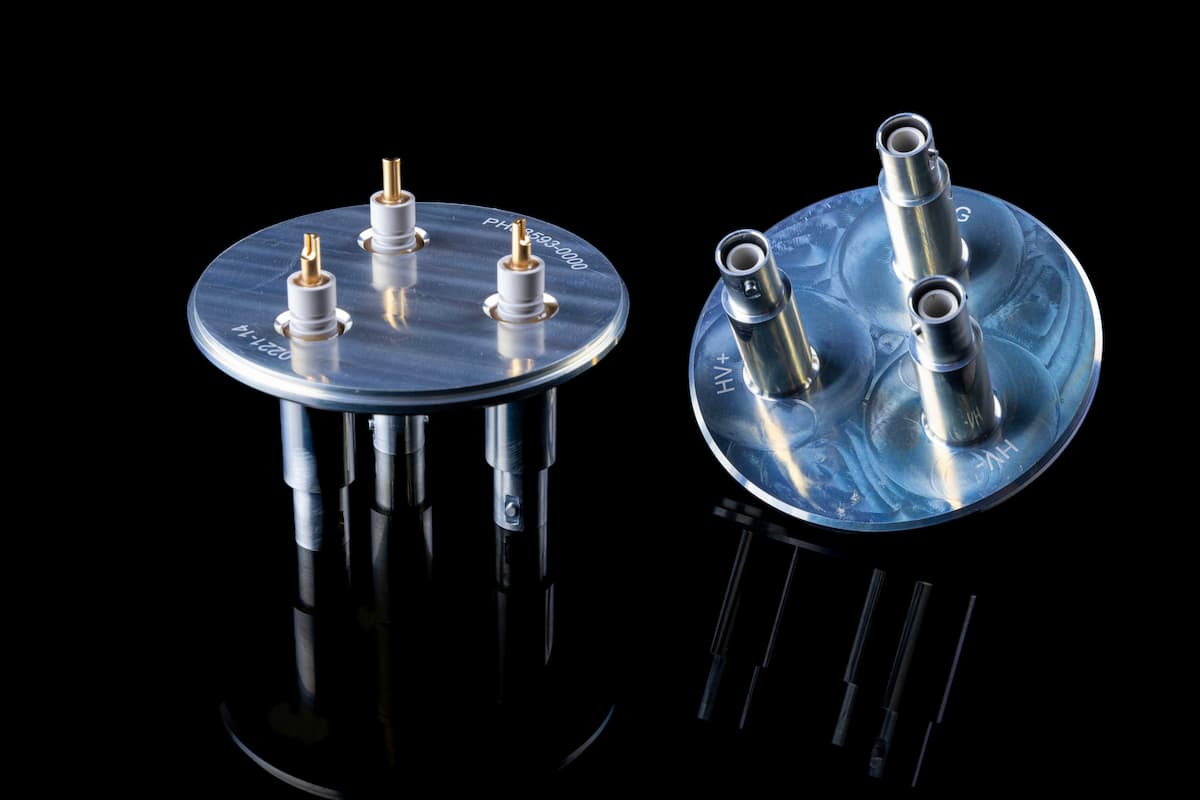
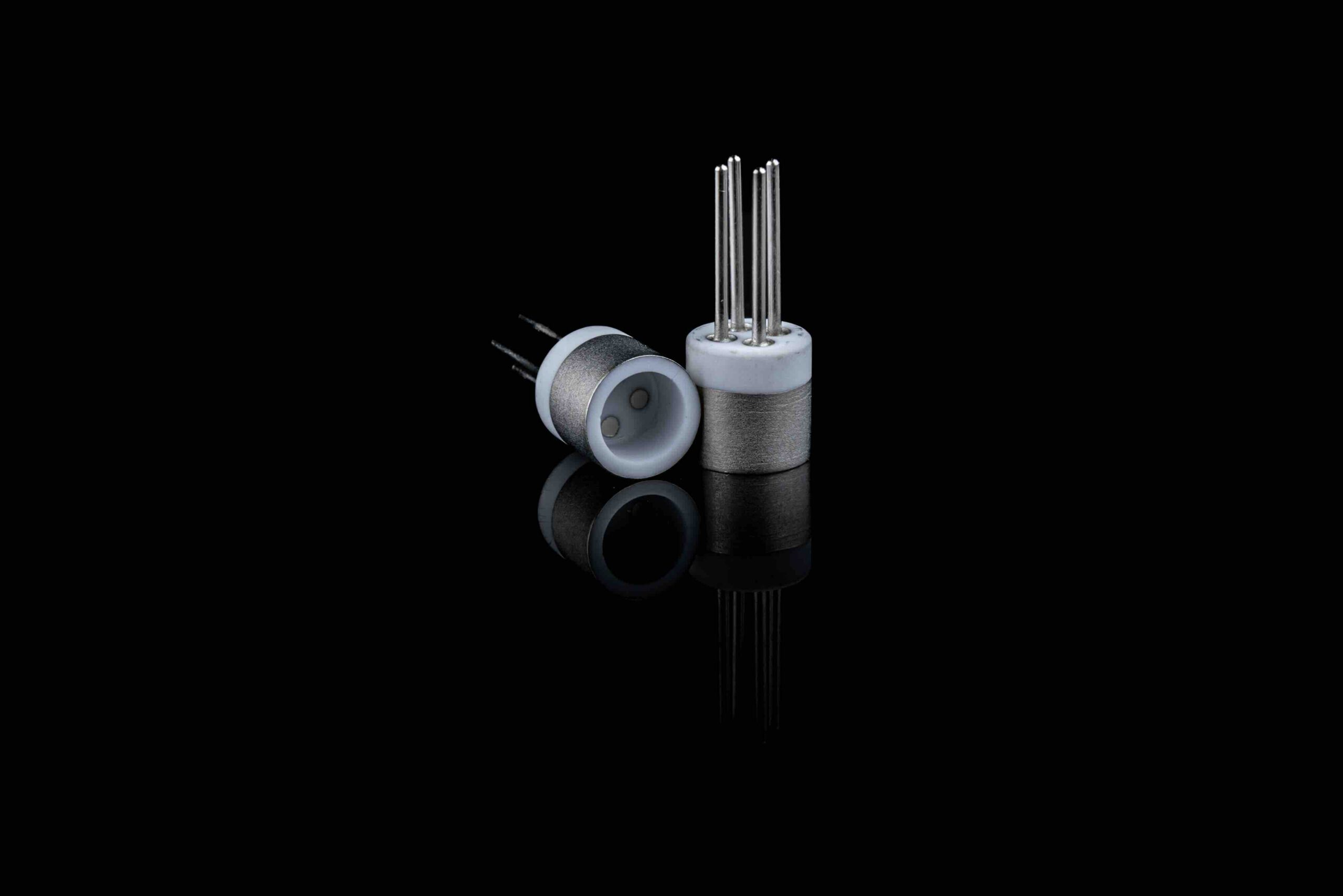
Hermetic connectors preserve interconnect integrity through a permanent, gas-tight barrier that eliminates moisture, gases, and contaminants from the signal path — not just at installation, but across the full service life of the system. Unlike standard environmental sealing, which relies on elastomeric components subject to material creep and moisture permeability over time, hermetic connectors use Glass-to-Metal Seal (GTMS) technology or advanced polymer sealing to achieve airtightness levels of 1×10⁻⁷ atm·cc/sec helium or better. In aerospace, defense, subsea, and medical applications where electronic survivability is non-negotiable, this distinction determines mission outcome.
Why Hermetic Connectors Outperform Environmental Sealing
Hermetic connectors provide an absolute barrier where environmental sealing cannot. Environmentally sealed connectors protect against dust and rain using rubber gaskets, but those materials are susceptible to creep and moisture permeability over extended thermal cycling. A true hermetic connector fuses conductors into a rigid, impermeable seal — keeping internal cavity moisture below the critical condensation threshold even after decades of operation. For systems deployed in deep space, subsea, or implantable medical environments, the difference between environmental and hermetic sealing is the difference between a finite service life and an indefinite one.
Compression Seals vs. Matched Seals: Choosing the Right Sealing Strategy
The two primary hermetic sealing strategies — compression and matched — serve different mechanical and thermal environments, and selecting the wrong one is a root cause of premature seal failure.
Compression seals use a metal shell — typically stainless steel or titanium — with a higher Coefficient of Thermal Expansion (CTE) than the glass insulator. As the assembly cools, the shell compresses the glass, creating a bond capable of withstanding pressures up to 3,000 bars. This approach suits high-pressure and high-shock environments.
Matched seals pair alloys such as Kovar (4J29) with borosilicate glass because their CTEs are closely aligned. The result is a near stress-free seal that expands and contracts in unison across thermal cycles — essential for complex rectangular geometries and components sensitive to thermal shock. CTE mismatch is the primary cause of radial cracking in hermetic seals; matched seal design eliminates this failure mode at the material selection stage.
GlassTomer™: Hermetic Performance in Lightweight Assemblies
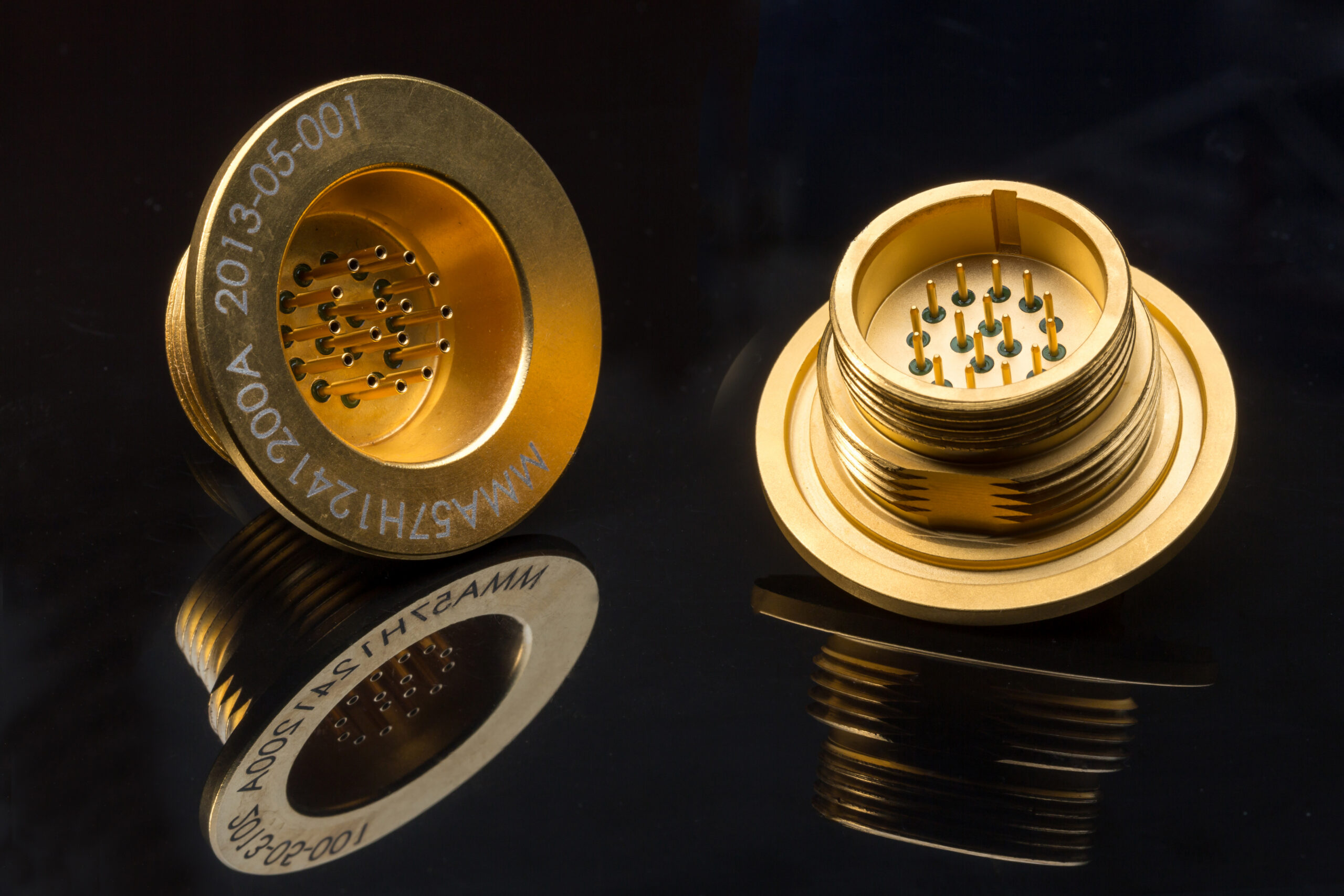
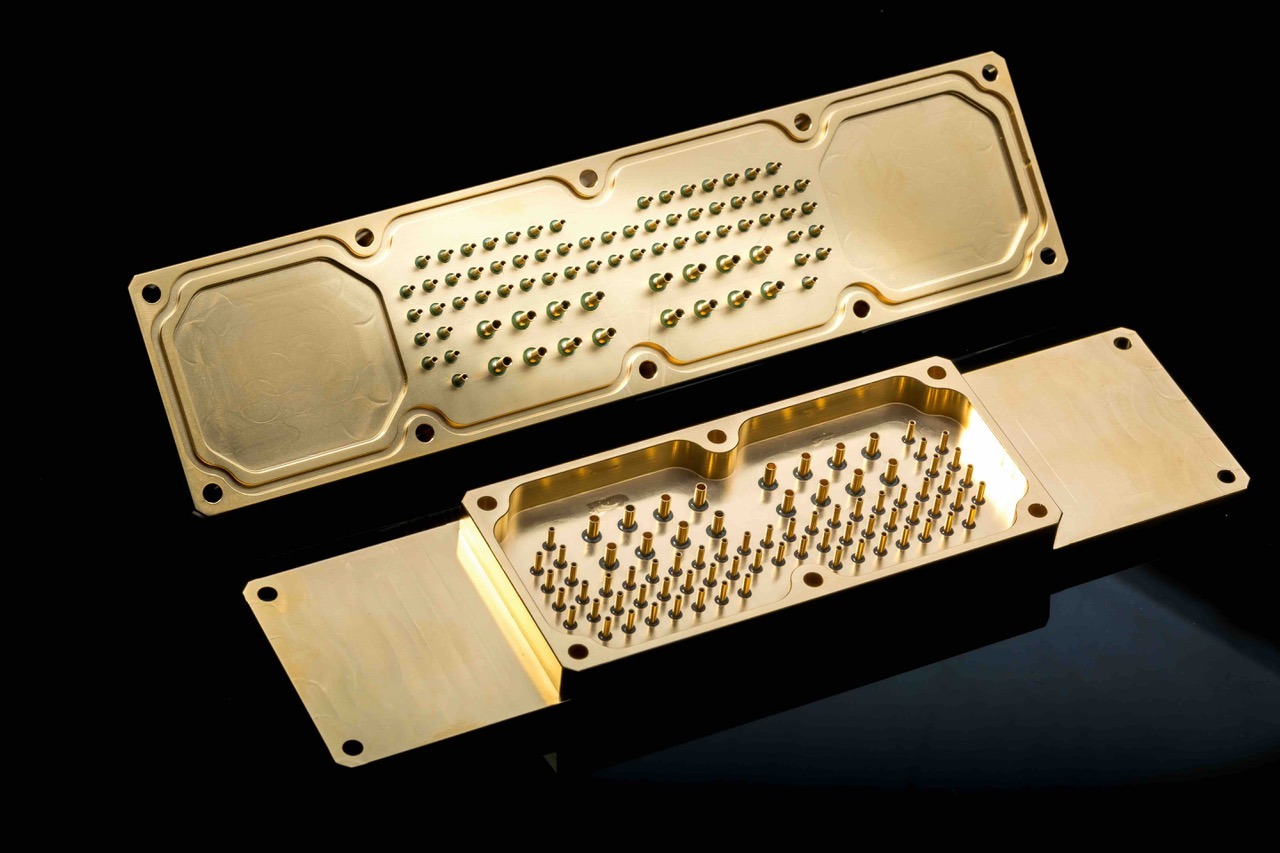
GlassTomer™ resolves a longstanding constraint in aerospace hermetic connector design: traditional glass sealing processes require furnace temperatures incompatible with lightweight aluminum shells and high-conductivity copper contacts. Hermetron’s GlassTomer™ technology addresses this through an advanced adhesive polymer chemistry that achieves hermetic performance of 1×10⁻⁸ cc He/sec within aluminum shells — delivering a 50% weight reduction compared to traditional steel-shelled glass connectors.
GlassTomer™ assemblies offer the following characteristics:
- Gold-plated beryllium-copper contacts for superior electrical conductivity
- Operating temperature range of -55°C to +225°C
- Immunity to thermal cycles and mechanical shocks
- Outgassing performance exceeding NASA standards
- More than 100,000 units delivered to aerospace and defense programs with zero reported field failures
Mounting Methods and System Integration
A hermetic connector’s sealing performance is only realized if its integration into the system bulkhead is executed correctly. Two primary mounting methods are used in production:
- Weld-mount and solder-mount: Creates a permanent metallurgical bond between the connector and housing, removing elastomeric seals from the failure equation entirely. The preferred approach for deep-space hardware and applications where field servicing is not possible.
- Jam-nut receptacle mounting: Provides a cold installation path using a single hole and an O-ring — typically fluorosilicone for fuel environments or nitrile for subsea. Eliminates thermal shock risk to the glass insulator during assembly and allows for field maintenance where access permits.
Root Causes of Hermetic Connector Field Failures
The majority of hermetic connector field failures are traceable to three root causes, all preventable at the design and installation stage:
- Radial cracking — caused by CTE mismatch between the glass insulator and the metal shell; a material selection failure addressable through matched seal design
- Meniscus chips — manufacturing defects at the glass-metal interface that create micro-scale leak paths
- Installation stress — over-torquing of mechanical mounts introduces stress concentrations that compromise seal geometry
All three failure modes are detectable through helium mass spectrometry leak testing to MIL-STD-883 Method 1014, which can verify leak rates as low as 1×10⁻⁹ atm·cc/sec.
Conclusion
Interconnect integrity in mission-critical systems is not a function of the connector alone — it is a function of sealing strategy, material selection, mounting method, and verification standard working together. For applications requiring hermetic connectors qualified to aerospace, defense, or medical standards, Hermetron’s engineering team works directly with customers to specify and manufacture assemblies to exact dimensional and performance requirements.
FAQs
A hermetic connector creates a permanent, gas-tight barrier by fusing conductors into a rigid glass-to-metal or polymer seal, achieving airtightness levels of 1×10⁻⁷ atm·cc/sec helium or better. An environmentally sealed connector uses elastomeric gaskets that are subject to material creep and moisture permeability over time. In aerospace, defense, and medical applications where long-term electronic survivability is required, hermetic sealing is the only approach that maintains performance across decades of thermal cycling.
Compression seals use a metal shell with a higher CTE than the glass insulator, so the shell compresses the glass as it cools — suitable for pressures up to 3,000 bars. Matched seals pair materials such as Kovar (4J29) with borosilicate glass whose CTEs are closely aligned, producing a near stress-free seal ideal for complex geometries and thermally sensitive assemblies. The choice between the two depends on operating pressure, thermal environment, and connector geometry. Hermetron engineers both seal types for aerospace, defense, and medical applications.
Radial cracking in hermetic connectors is caused by CTE mismatch between the glass insulator and the metal shell — the differential expansion and contraction during thermal cycling generates tensile stress that the glass cannot sustain. Prevention begins at material selection: using matched seal alloys such as Kovar (4J29) with borosilicate glass eliminates the mismatch at the source. All Hermetron hermetic assemblies are verified by helium mass spectrometry leak testing to MIL-STD-883 Method 1014 to confirm seal integrity after thermal qualification.
GlassTomer™ is Hermetron’s advanced adhesive polymer sealing technology that achieves hermetic performance of 1×10⁻⁸ cc He/sec within aluminum shells — a configuration not possible with traditional glass sealing processes, which require furnace temperatures incompatible with aluminum. GlassTomer™ assemblies use gold-plated beryllium-copper contacts for superior conductivity, operate from -55°C to +225°C, and deliver a 50% weight reduction versus steel-shelled glass connectors. More than 100,000 units have been delivered to aerospace and defense programs with zero reported field failures.
Aerospace-grade hermetic connectors are verified by helium mass spectrometry leak testing to MIL-STD-883 Method 1014, which can detect leak rates as low as 1×10⁻⁹ atm·cc/sec. This standard is the primary verification method for confirming hermetic integrity in defense and aerospace qualified components. Hermetron’s hermetic connector assemblies are produced and qualified under AS9100D with ISO 9001:2015, registered through NSF-ISR, with leak testing as a mandatory step in both production and qualification workflows.
Hermetic Connectors from Hermetron
Standard and custom configurations for aerospace, defense, medical, and energy applications.